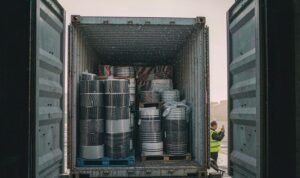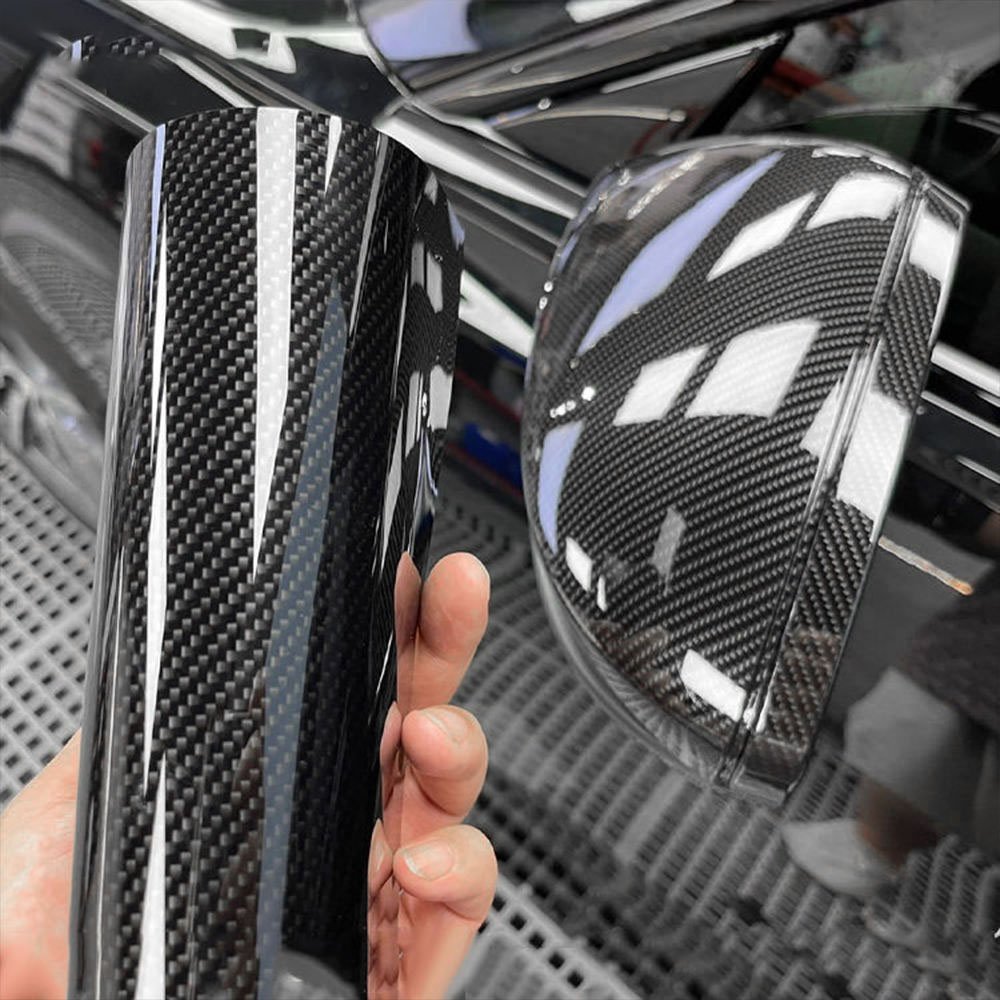
A buyer stands at a booth during Automechanika Dubai, holding two quotations for the same 200-micron color PPF. The local distributor offers stock rolls in Dubai at 168 USD per 1.52 x 15 m roll, delivered next morning, swap on any defect. The factory offers 96 USD ex-works, minimum 300 rolls, 45 days to the warehouse, and a claims process measured in weeks. Someone in the room is about to lose money on this decision, and it will not be obvious which one for six months.
The mistake both sides of this conversation make is comparing roll price instead of landed cost per square meter over the year. Roll price is a headline. Landed cost is the bill.
Four Numbers That Decide the Channel
1. The channel premium itself. Across automotive films — car wrap vinyl, clear and Color TPU PPF, window tint — the gap between local distributor shelf price and factory ex-works price typically runs 25 to 60 percent. The lower end applies to commodity cast vinyl; the higher end to specialty TPU products with shorter supply. That premium is not theft: it buys you warehouse stock in your market, split-pallet quantities, a claims swap without international freight, and someone who answers the phone in your timezone. Price the premium against what it buys before you decide it is too expensive.
2. Landed cost per square meter. Ex-works price is not your cost. Add ocean freight, marine insurance, destination duties (GCC duty on most film is 5 percent), port and clearance fees, and inland delivery, then divide by square meters. A rough model for a mixed load of vinyl and PPF rolls: freight and clearance add 4 to 9 USD per roll on a full container, and the 5 percent duty rides on everything. On a 22.8 square meter roll, that turns a 96 USD ex-works quote into roughly 105-110 USD landed. Still well under the local 168 — but now look at the third number.
3. Cash and time. A direct container means a minimum order of 150 to 300 rolls, typically 30 percent deposit with the balance before shipment, and 25 to 45 days of lead time before a single roll is sellable. Your money is out the door for six to ten weeks before it starts converting. Local stock is effectively just-in-time: you buy 10 rolls when you need 10 rolls, and the distributor’s warehouse carries the aging. Holding cost on film inventory runs 18 to 25 percent per year of its value — capital, storage, and shelf-life risk combined — and whoever holds the rolls pays it.
4. The failure cost. Film arrives imperfect at a rate of roughly 1 to 2 percent of rolls: liner tears, core dents, a pressure mark, a narrow gauge line. With local stock, a defect swap is a phone call and 24 to 72 hours. With a direct container, the claim cycle is photos to the factory, negotiation, replacement freight of 4 to 8 weeks — or a credit note you convert on your next order, which only helps if you order again. Price your own downtime at the shop rate: one roll failing mid-job with no local backup can cost more in lost bay hours than the defect itself.
And one number buyers forget: remaining shelf life. Factory-direct container rolls typically leave the plant with the full 2-3 year shelf life ahead of them. Distributor stock may have sat 6 to 18 months in a hot warehouse before you buy it. Adhesive shelf life at 15-25 degrees C and 40-60 percent relative humidity is the standard condition; rolls that spent a Dubai summer on a shelf already spent part of their life.
The Math on Two Real Baskets
Take a shop that consumes about 60 rolls a year across car wrap vinyl and color PPF, mostly white gloss, black satin, and four brand-critical colors.
Basket A, all local: 60 rolls at 168 USD landed-and-delivered equals 10,080 USD per year, zero lead time, swap service, and rolls with perhaps 18-30 months of shelf life left.
Basket B, all container: the same mix at roughly 108 USD landed equals 6,480 USD of goods cost, but requires buying in two 30-roll orders — minimum viable against MOQ — meaning about 7,200 USD of capital out the door twice a year, 18-25 percent holding cost on average inventory of roughly 15 rolls (about 500 USD per year), and an average of 5-7 rolls sitting unsold at any color tail. Add one realistic claim cycle: 2 defective rolls handled by email over 6 weeks, during which the shop turned away a 3,100 USD full wrap because the black satin was the defective SKU.
Netting it: Basket B saves about 3,600 USD in purchase price, spends about 500 in holding, and the one stockout-plus-claim event in that year cost a booked job of 3,100. First year, the container route wins on paper by roughly nothing; second year, if demand is stable and the shop smooths its orders, the container route wins by 2,500 to 3,000 USD annually.
The shops that actually profit from direct containers are the ones with three properties: predictable annual volume above roughly 50 rolls per SKU family, storage that stays under 25 degrees C, and the discipline to keep 15-20 percent of value in local stock for the color tail and emergency swaps.
The Buying Checklist
| What to ask / compute | Why it matters | Pass range |
|---|---|---|
| Local shelf price vs ex-works, same SKU and batch year | The headline gap is only real after landed cost | Typical premium 25-60 percent; ask both in USD per m2 |
| Landed cost per roll | Freight, 5 percent GCC duty, clearance, inland | Add 4-9 USD per roll on a full container plus duty |
| Payment terms and lead time | Capital locked 6-10 weeks before sale | 25-45 days door-to-door; 30 percent deposit standard |
| MOQ vs your annual roll consumption | Under-ordering means annual stockouts | Container only if volume clears roughly 50 rolls per SKU family per year |
| Defect rate and claim cycle | 1-2 percent of rolls arrive imperfect | Local swap in 24-72 h; factory claims 4-8 weeks |
| Remaining shelf life at delivery | Aged adhesive lifts and re-mats badly | 24-36 months remaining at receipt; under 18 months, discount or refuse |
How to Split the Order Book
The practical answer for most shops at the show is not either-or. Keep the fast-moving three or four SKUs — the colors that are 65 to 80 percent of your meters — on container economics once volume clears the threshold, and keep everything else on local stock: the color tail, the specialty finishes, and one emergency gloss roll. That split typically lands 60 to 70 percent of spend on the container channel and holds total inventory near 70 to 120 days of supply, which is the band where film inventory stops being a liability.
Re-run the comparison every twelve months. Channel premiums move with freight rates and with the price compression already working through unbranded TPU film — a distributor quote from a car film supplier that was 45 percent over ex-works two years ago may be 28 percent today, and the container route’s advantage shrinks with it. If you are ordering during a discount month, check the volume math in our guide to how many wrap rolls you should actually buy in November before you let a promotion decide your quantity.
The Verdict
Neither channel is cheaper; they are priced in different currencies — one in dollars per square meter, the other in cash cycle time and claim risk. Buy the channel that matches your volume, your storage, and your tolerance for waiting, and re-price the decision yearly. The buyers who lose money are not the ones who chose wrong once; they are the ones who chose once and never recalculated.