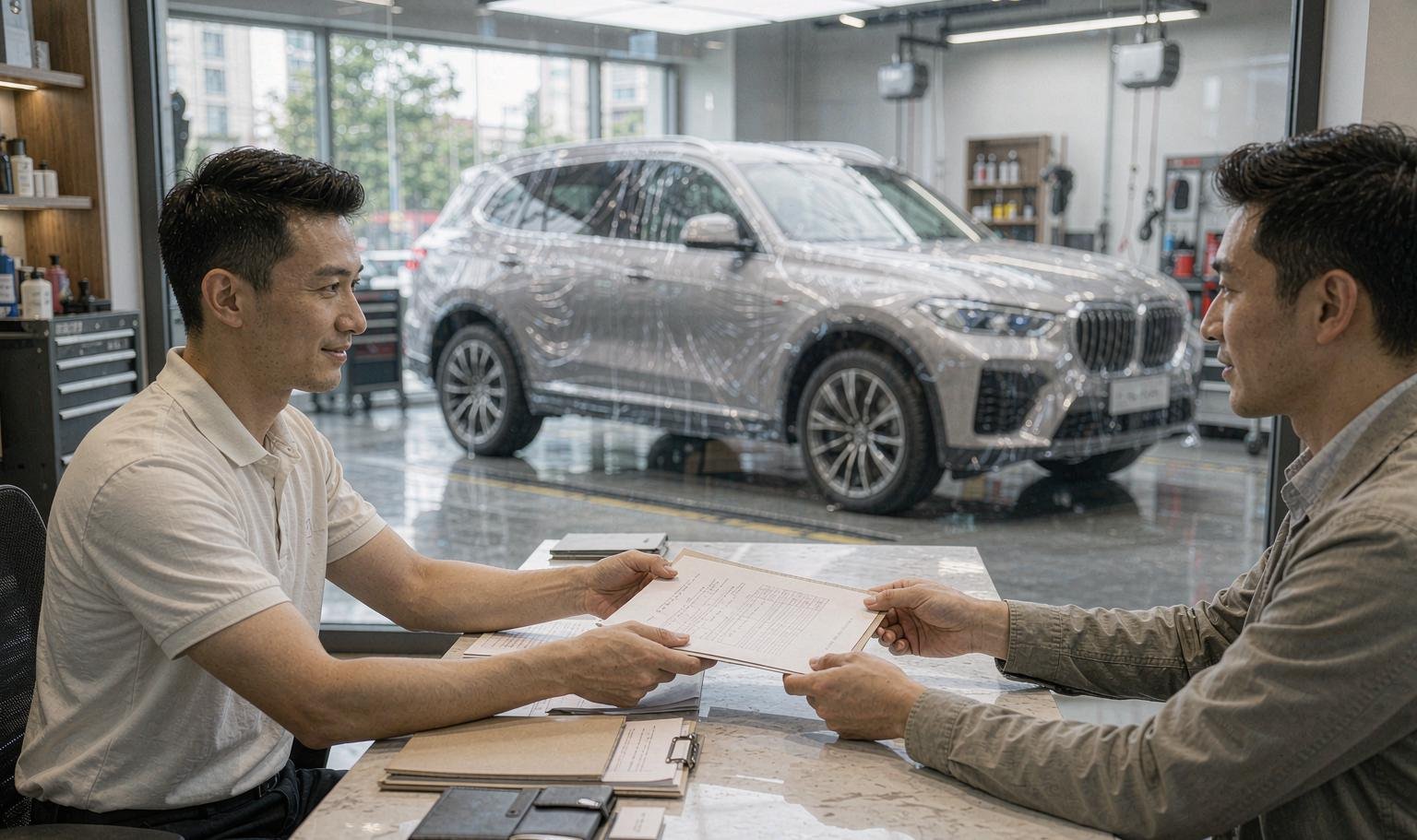
Does Insurance Cover PPF? Only If Somebody Made the Call
Insurers treat paint protection film as a modification, and an undeclared film can vanish from a settlement – here is the delivery-checklist process that protects the money.

Insurers treat paint protection film as a modification, and an undeclared film can vanish from a settlement – here is the delivery-checklist process that protects the money.
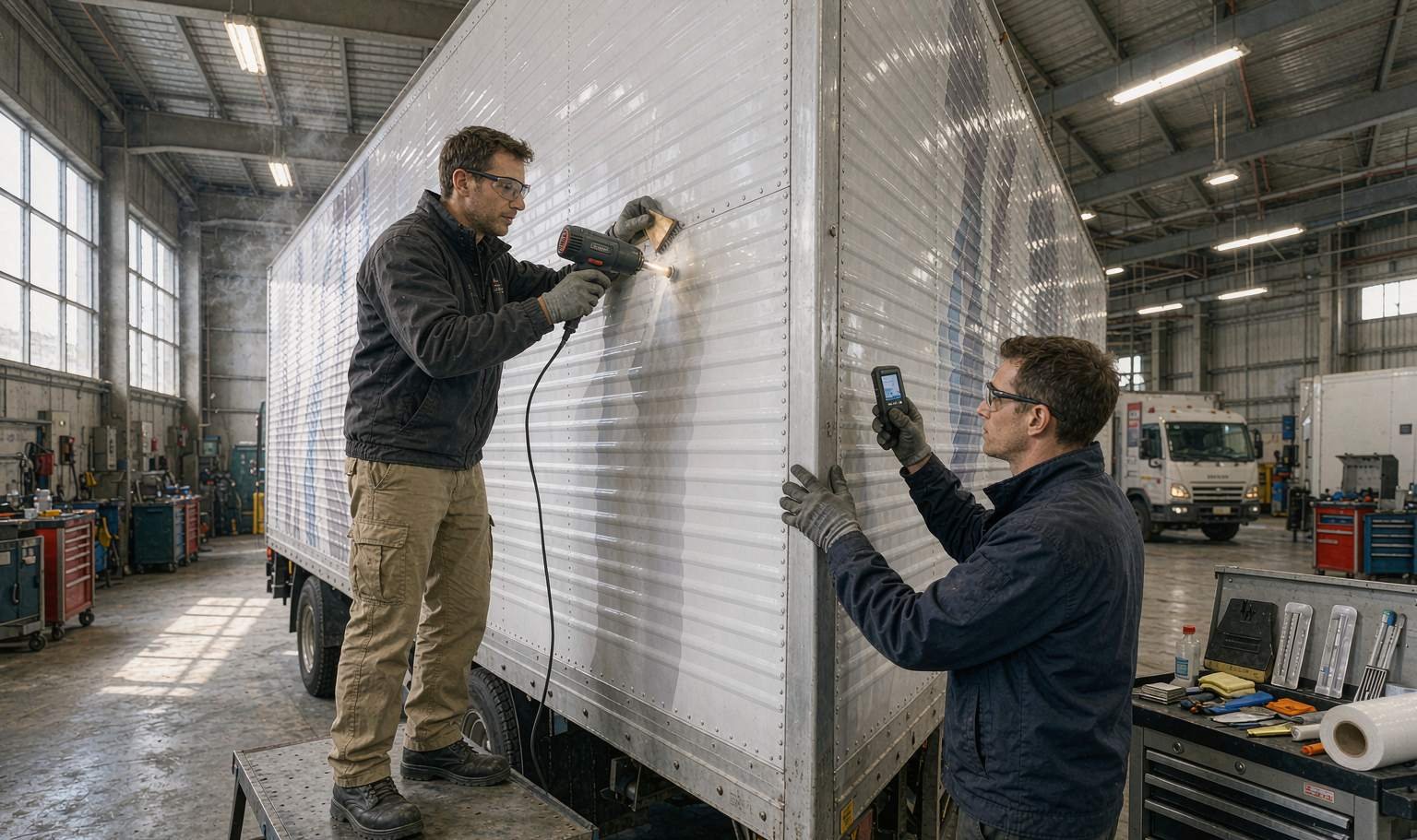
Two identical box trucks, two quotes, two outcomes at nine months. The gap is not film cost, it is whether anyone counted the rivets.
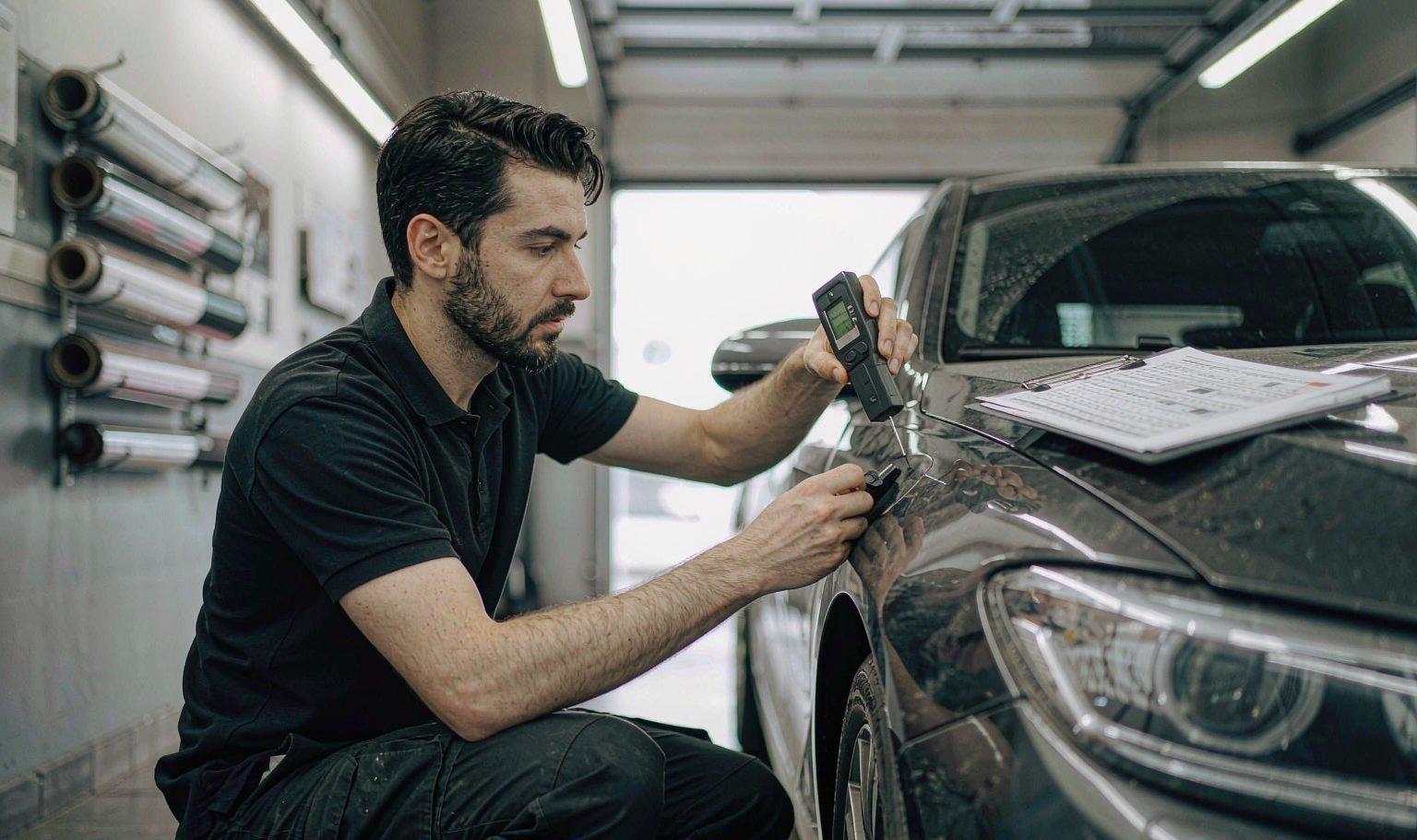
A repainted panel can pass every visual check and still fail a film job years later. A 12-minute gauge and tape audit tells you which panels to decline.
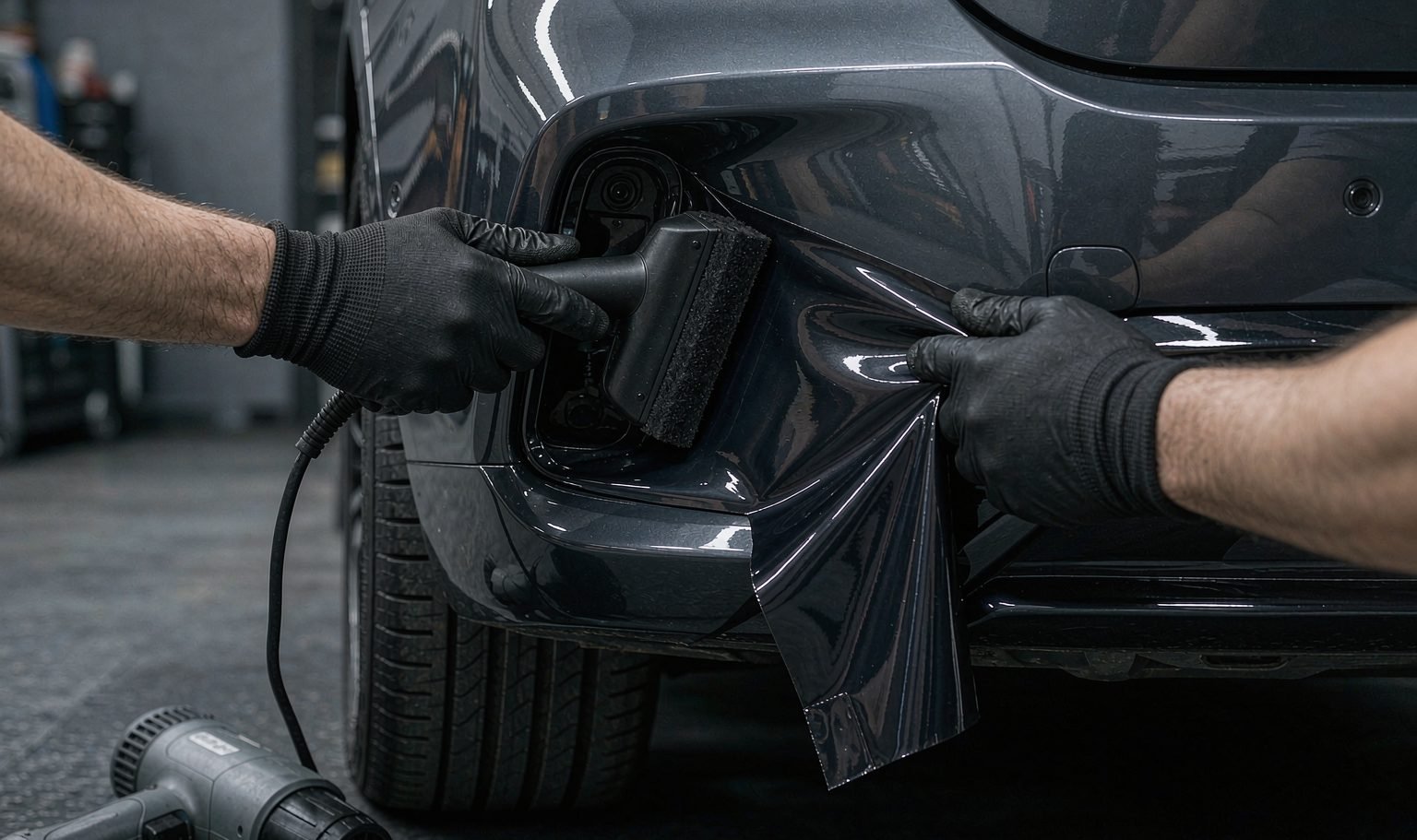
Measure a recess before you cut: match the required stretch to the film budget, then decide the seam before the knife moves.
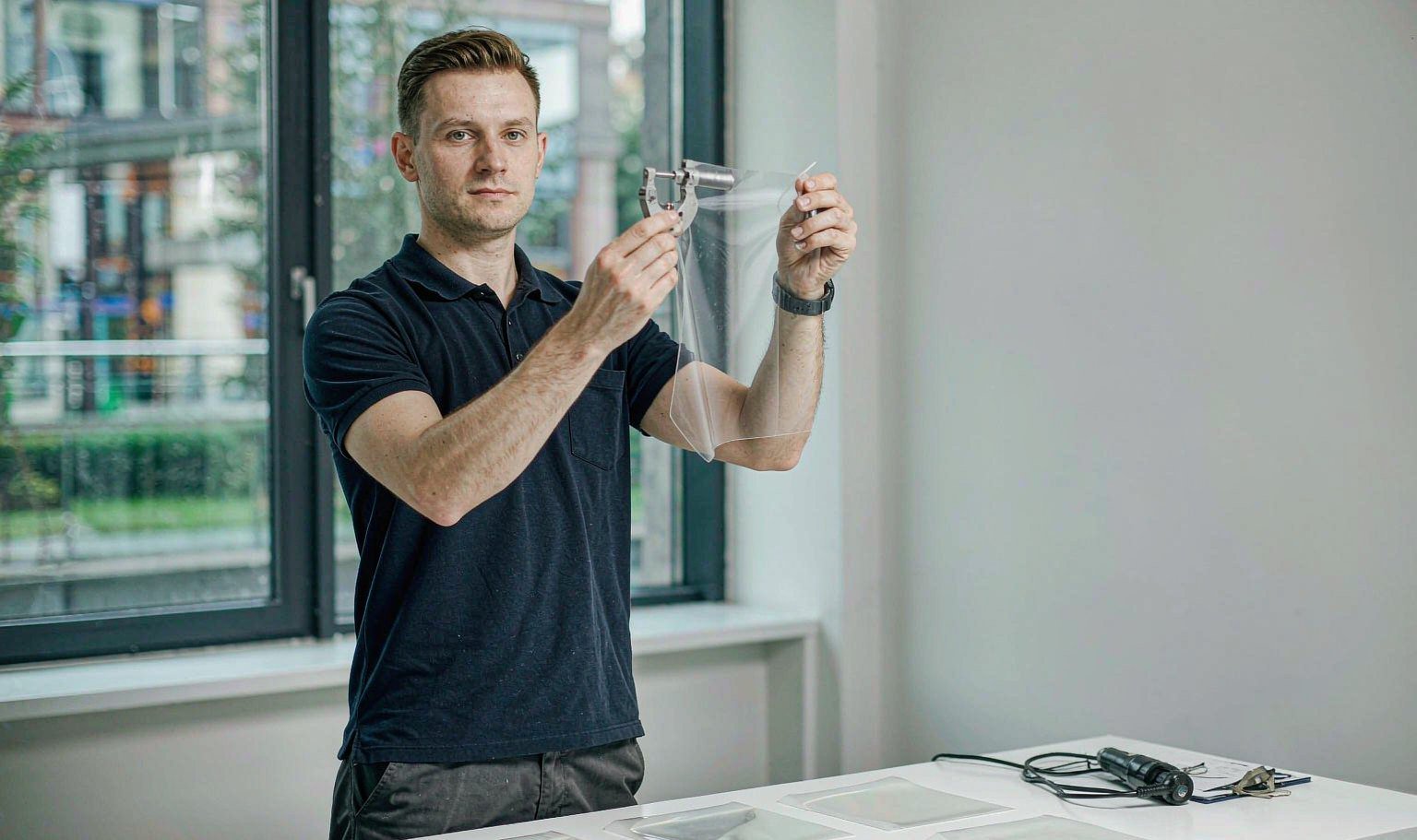
Before you pay the PCU premium, test five numbers: polyol identity, elongation, 85/85 hours, cold limit and warranty terms.
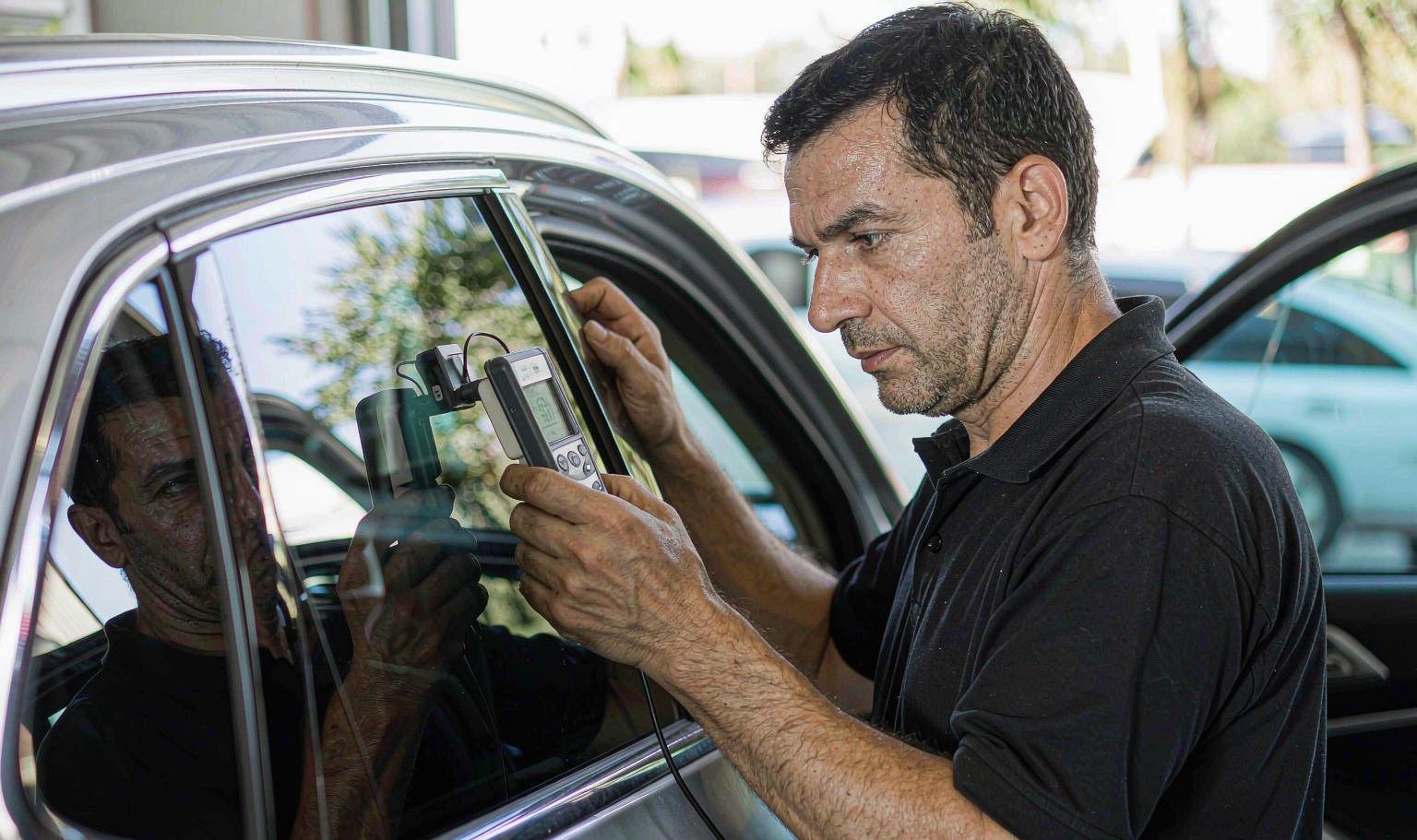
The VLT a meter reads is glass times film, not the number on the box, and that arithmetic decides whether car window tint passes inspection.
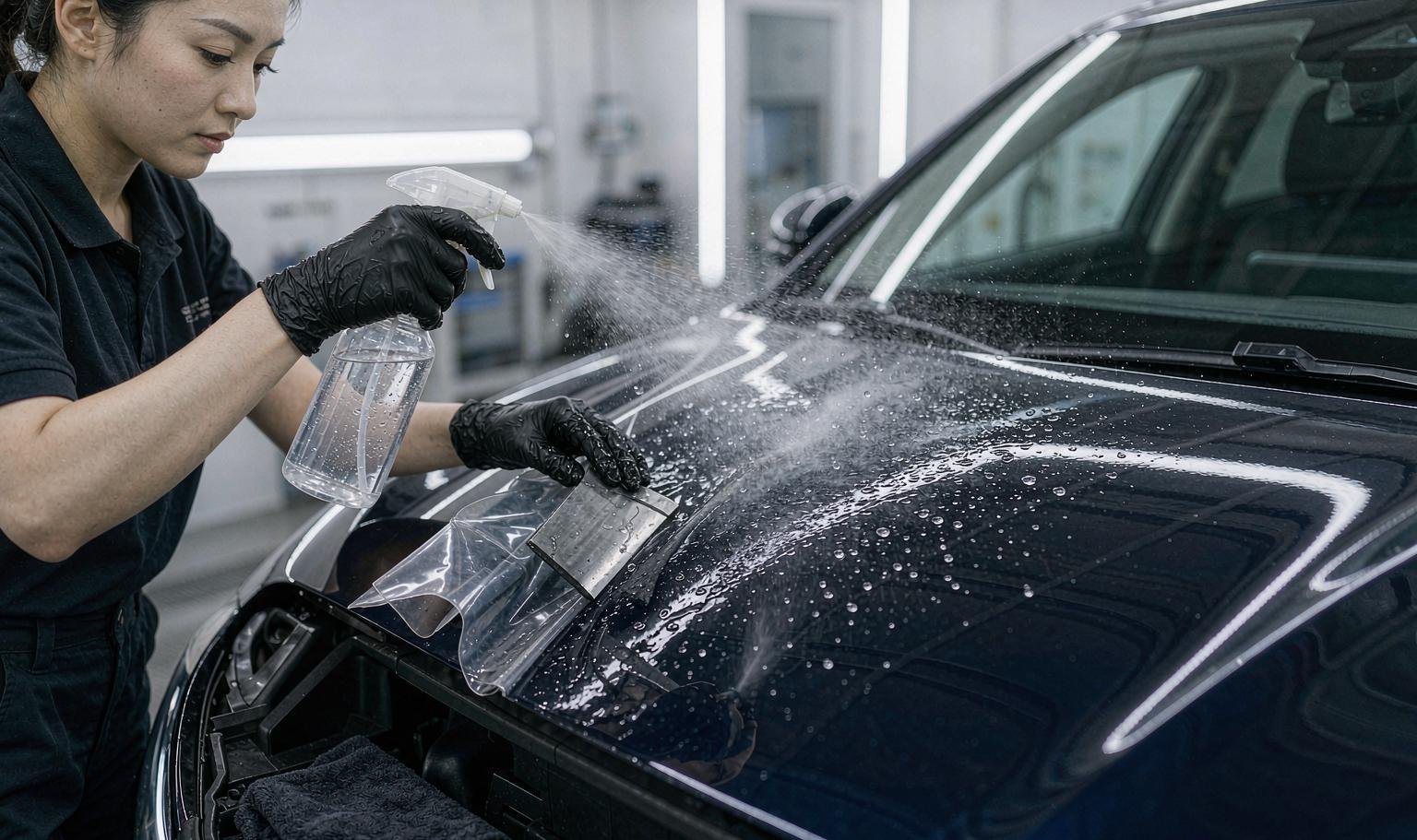
Water hardness, slip ratio and the final flush decide whether TPU PPF bonds or hazes – three cheap numbers most installers never record.
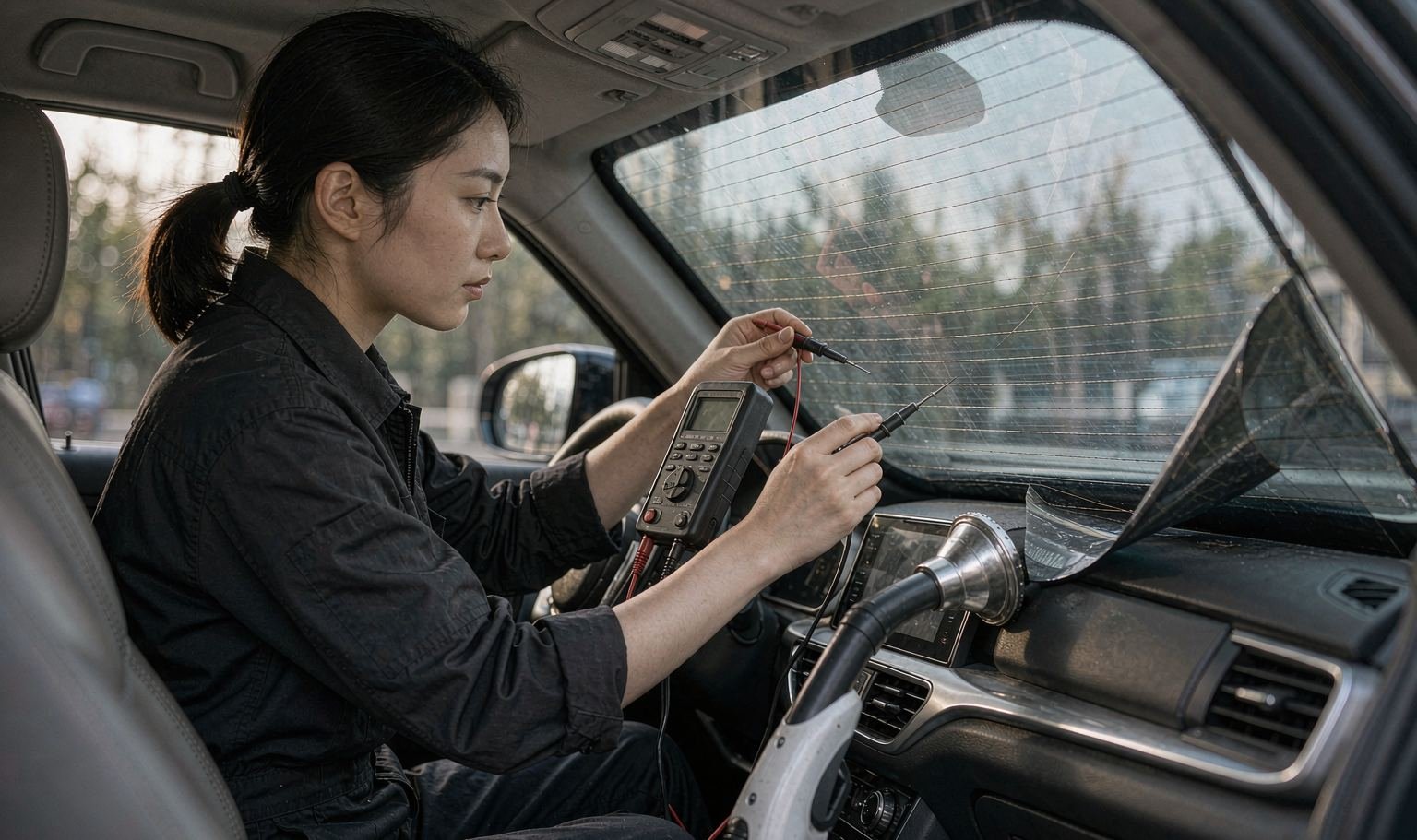
Tint removal is quoted as an add-on, but the defroster grid underneath is the real invoice; here is the protocol that keeps it intact.
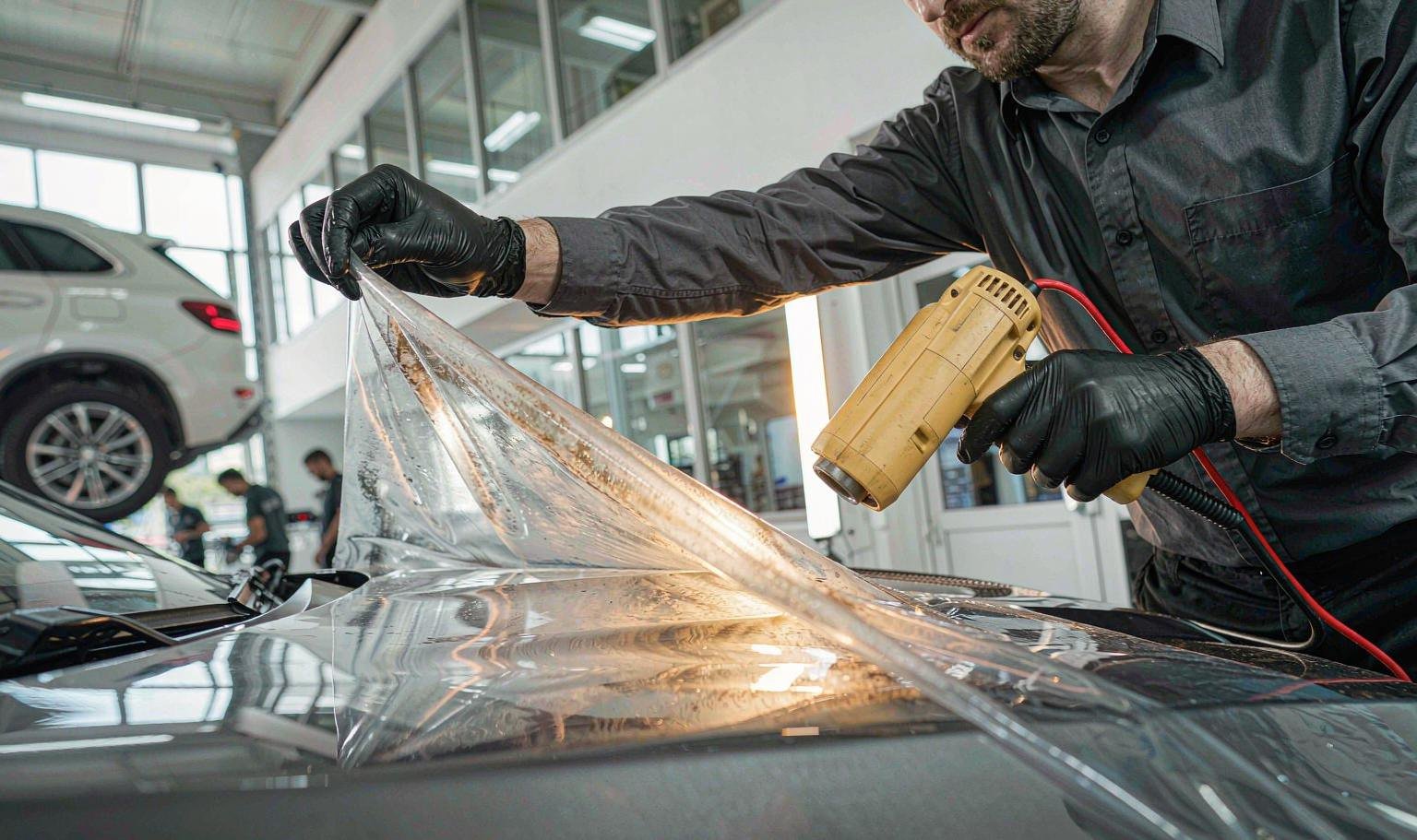
Aged TPU PPF can double its grip by year seven, and the adhesive transfer that follows turns a half-day removal into a two-day claim.
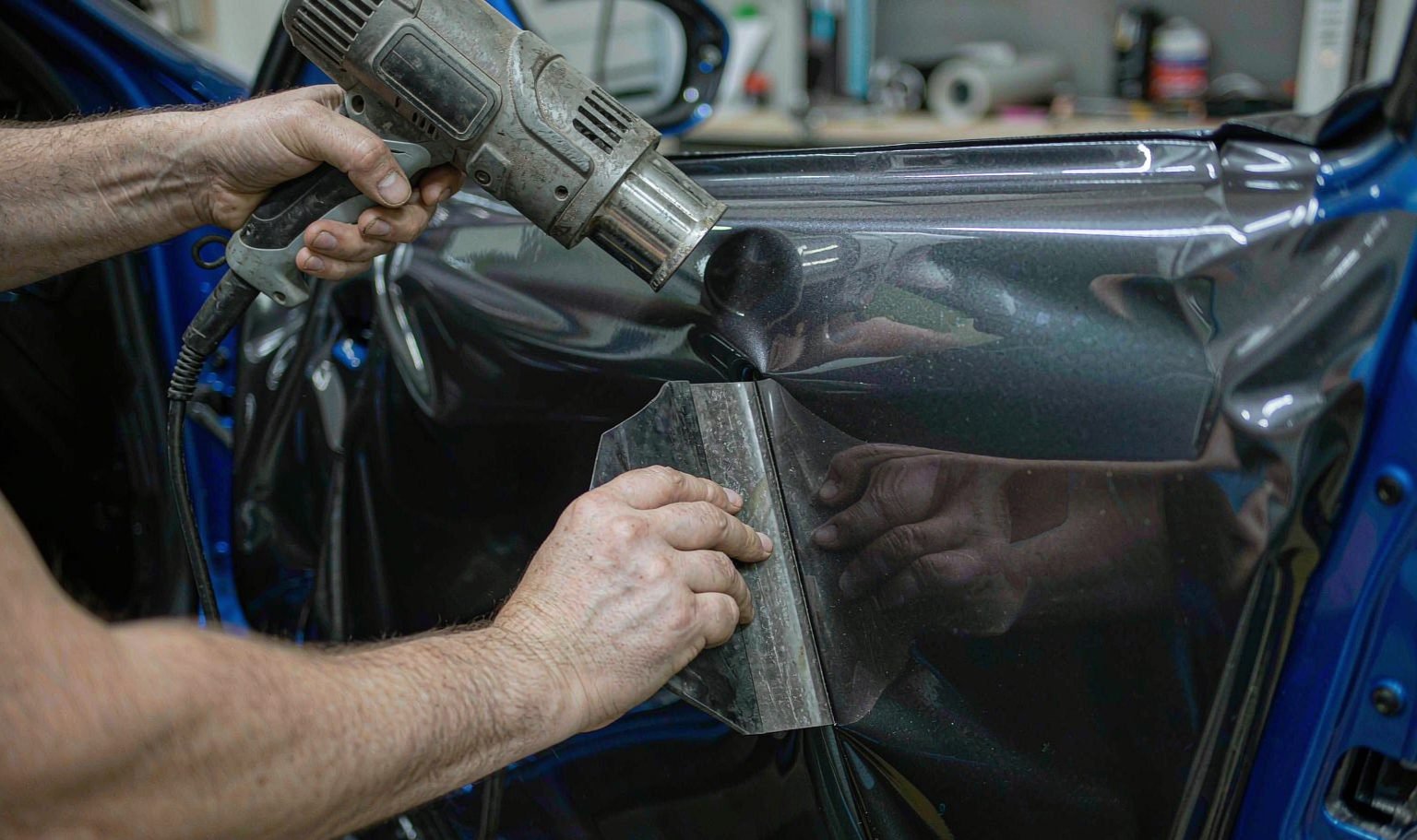
Wrap bubbles split into water, air, growing and dirt pockets, each with its own 72-hour rule and its own fix.
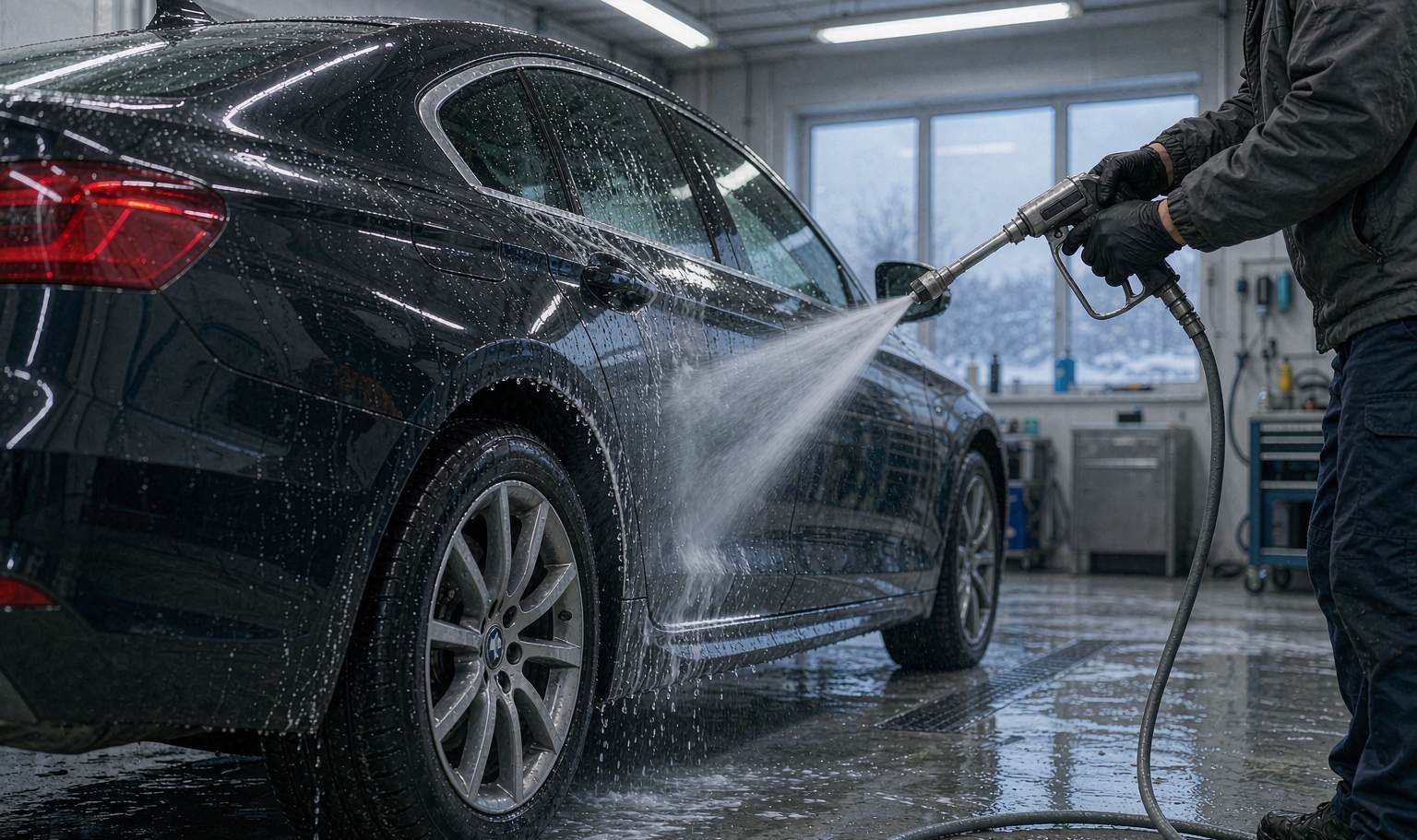
Salt season tests the film edge line, not the film face, and the B117, edge-wrap and rinse-cadence numbers decide who pays for it.
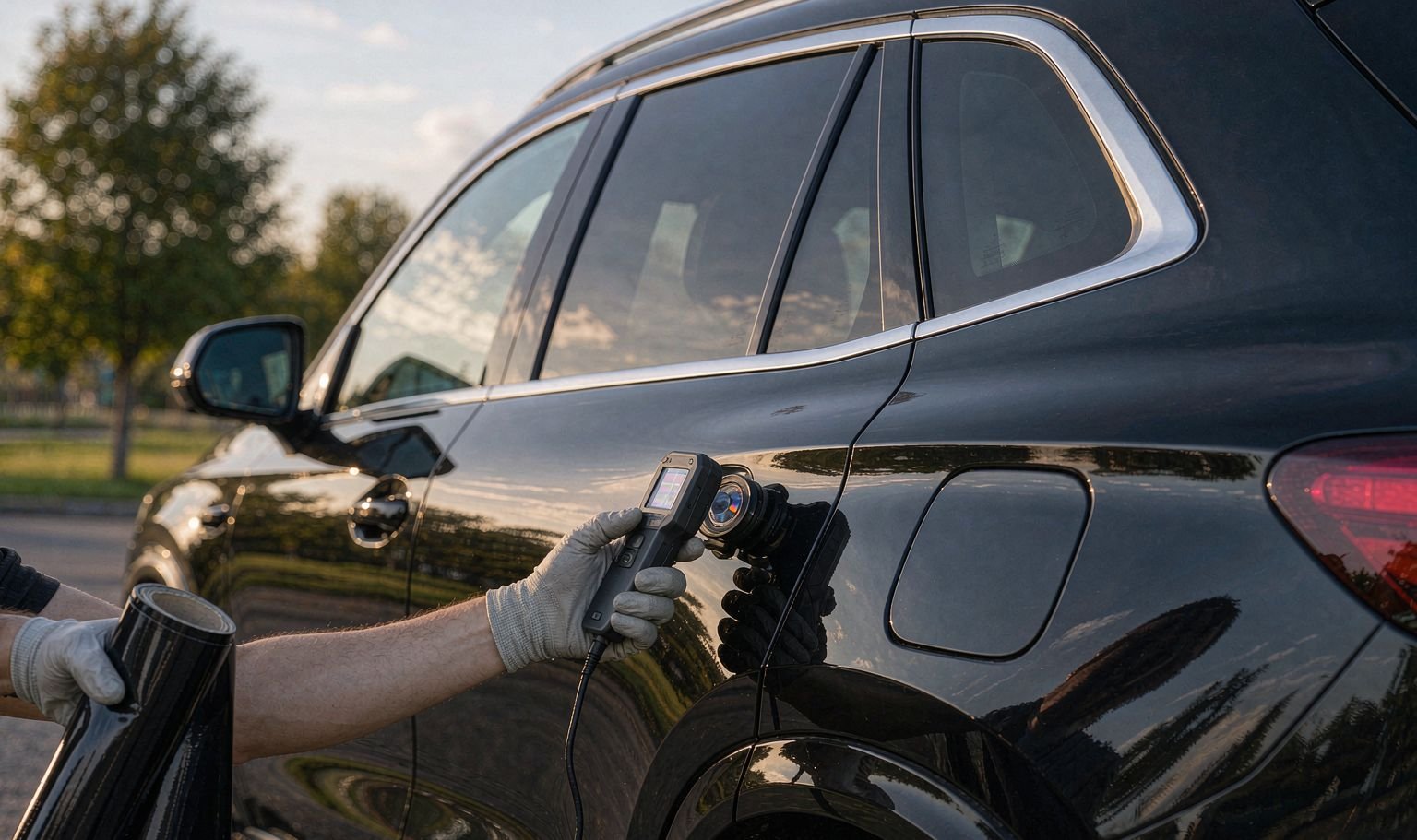
Aged car wrap vinyl drifts in colour, so measure Delta E00 and lot codes before quoting a single-panel rewrap after a repair.