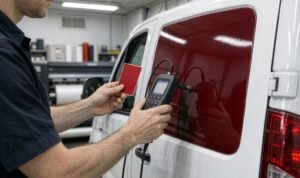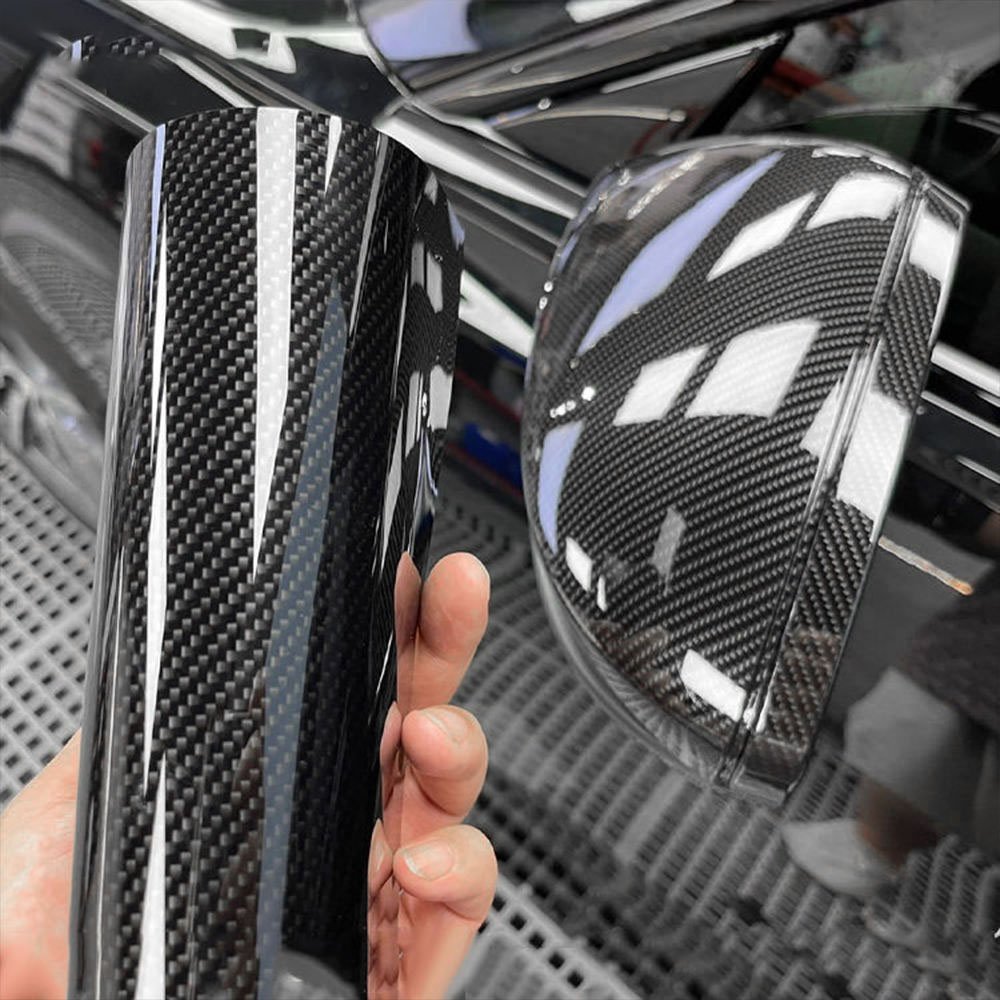
A wrapping shop delivers a fully branded fleet van on a Friday. By Monday morning the driver runs it through the gas-station brush tunnel because it “needed a wash anyway.” Thirty days later the customer is back with three lifted edges along the hood seam and a scuffed, streaky bonnet, demanding to know what kind of Car Wrap Vinyl the shop used. The installer checks the film batch, the install log, the post-heat records. Everything was clean. What killed the edges was never on the van. It was the wash schedule nobody wrote down.
This happens constantly because aftercare is the one part of a wrap job that leaves the shop’s control the moment keys change hands, and almost no installer hands over anything more specific than “be gentle with it.” That vagueness costs shops rework, costs customers warranty coverage, and quietly wrecks the reputation of film that was installed perfectly. The fix is a set of numbers. Wash rules that can be printed, measured, and defended.
What Actually Decides Whether the Film Outlives Its Warranty
A cast vinyl wrap is a thin film held on the panel by a pressure-sensitive adhesive that keeps curing after the car leaves the bay, protected by a top coat that takes all the abuse of washing, and it behaves differently from the clear car film used for paint protection. Every premature failure traces back to one of four measurable habits. Get the numbers in front of the customer on delivery day and most of the risk disappears.
Dimension 1: the cure window before the first wash. The adhesive needs time to build full bond before water, soap, and pressure work their way into the edges. Industry guidance clusters around two figures: a hard minimum of 48 to 72 hours before any contact with water, and a safer standard of 7 days for full washing, which is what several film makers’ maintenance bulletins actually specify. In winter add one more rule: the vehicle should sit at room temperature for at least 24 hours before it goes back into freezing conditions, because cold during cure keeps the adhesive from wetting out the paint. A first wash inside the cure window is the single most common self-inflicted cause of edge lift.
Dimension 2: water pressure, nozzle, and distance. Pressure washers are where warranties go to die, and the limits are straightforward. Keep the pressure at or under 1200 psi for regular use, with 2000 psi as the absolute ceiling that most manufacturer guidance accepts. Use a 40-degree wide-fan nozzle and never a zero-degree or turbo tip. Hold the wand at least 30 centimetres, or twelve inches, off the panel. And never aim the jet at an edge, seam, badge recess, or wheel-arch lip, because pressurized water driven straight into an unwrapped edge is exactly how film gets lifted from a panel that was bonded perfectly. Where a seam is unavoidable, our earlier breakdown of why wide vinyl rolls force seams explains which lines deserve the most respect at the wash stage.
Dimension 3: the chemistry. Soap should sit between pH 5 and 9, which covers every reputable pH-neutral car shampoo. Anything labelled degreaser, decontaminator, or all-purpose cleaner is too aggressive for a vinyl top coat, and household dish soap strips the surface faster than most people expect. Solvents, petroleum distillates, and abrasive polishes are outright bans. Matte and satin film carry a stricter rule still: no wax, no gloss enhancer, ever, because those products fill the texture and leave permanent shiny patches that cannot be reversed.
Dimension 4: cadence and response time. Hand wash every two weeks for a daily driver, at least monthly at the minimum. Contaminants have a clock on them: bird droppings, bug residue, fuel spills, and tree sap should come off the same day, because baked-on organic material etches a top coat permanently within days in summer sun. Automatic car washes split cleanly: brush tunnels are out, touchless spray tunnels are an acceptable occasional backup.
The Delivery-Day Table
Print this, hand it over with the keys, and most wrap disputes never start.
| Rule to give the customer | Why it matters | Acceptable range |
|---|---|---|
| First wash after installation | Adhesive is still curing at the edges | 48 to 72 hours minimum; 7 days is the safe standard |
| Pressure washer settings | High pressure at edges lifts cured film | Under 1200 psi, 40-degree nozzle, 30 cm standoff, never aimed at seams |
| Soap choice | Aggressive chemistry dulls and embrittles the top coat | pH 5 to 9 shampoo; no solvents, no polish, no dish soap |
| Wash frequency | Left-on grime and organic stains etch permanently | Hand wash every 2 weeks; spot-clean contaminants the same day |
| Automatic washes | Brushes scratch the film and catch edges | Brush tunnels: never. Touchless: occasional backup only |
| Matte or satin finishes | Wax fills texture and leaves permanent gloss patches | Matte-specific products only; no wax, no polish, no gloss detailer |
The Handover Routine That Protects the Job
Step 1: write the cure window on the invoice, with a date. “First wash on or after the 14th” survives contact with a busy fleet manager. “Wait a week” does not.
Step 2: hand over the table above as a single printed page. A one-page card costs less than one lifted edge to fix.
Step 3: show the customer an edge in person. Point at the hood seam and explain that the water jet rule exists for that exact line. People follow rules they can see.
Step 4: schedule a 14-day checkup. Invite the customer back for a free inspection at the two-week mark. Edges that start lifting in the cure window are a ten-minute reheat and press; at day 90 they are a panel replacement and an argument about fault. The same logic carries to end of life, which is why we also documented what decides whether removal damages the paint: film that was cared for comes off clean, and film that was pressure-blasted at the edges rarely does.
Step 5: set the winter rules before winter. Snow brushes with hard heads scratch film the same way they scratch paint. Road salt calls for more frequent rinses, not fewer. And ice scrapers, which belong on glass, have no business anywhere near a wrapped panel.
Two Vans, One Year, The Numbers
A logistics company wrapped two identical vans at the same shop with the same film batch in the same week. Van A followed the handover card: first wash at day 8, hand wash every two weeks with pH-neutral shampoo, touchless tunnel twice over the winter when schedules slipped. Van B never got the card. Its driver used the brush tunnel weekly from week one and ran the pressure wand straight along the hood edges all summer.
At the twelve-month inspection the difference was not subtle. Van A showed zero lifted edges, the top coat still beaded, and a gloss meter read 88 units against 92 at delivery, a loss of 4 that sits inside normal weathering. Van B had 14 lifted or peeling edge sections across the hood and mirrors, visible micro-marring across every horizontal panel, and gloss down to 71 units, a 21-unit drop driven almost entirely by brush abrasion. The repair quote for Van B came to more than the price of the original handover card would have: about 11 labor hours at the shop’s 75-dollar rate to re-bond, re-trim, and re-seal the damaged edges. Van A cost the shop nothing all year.
The Closing Position
A wrap does not fail on the install bench; it fails in the habits that start the day the customer drives away. Shops that hand over numbers instead of vague advice keep their film looking new, keep their warranty exposure low, and keep the kind of customers who come back for the next vehicle.