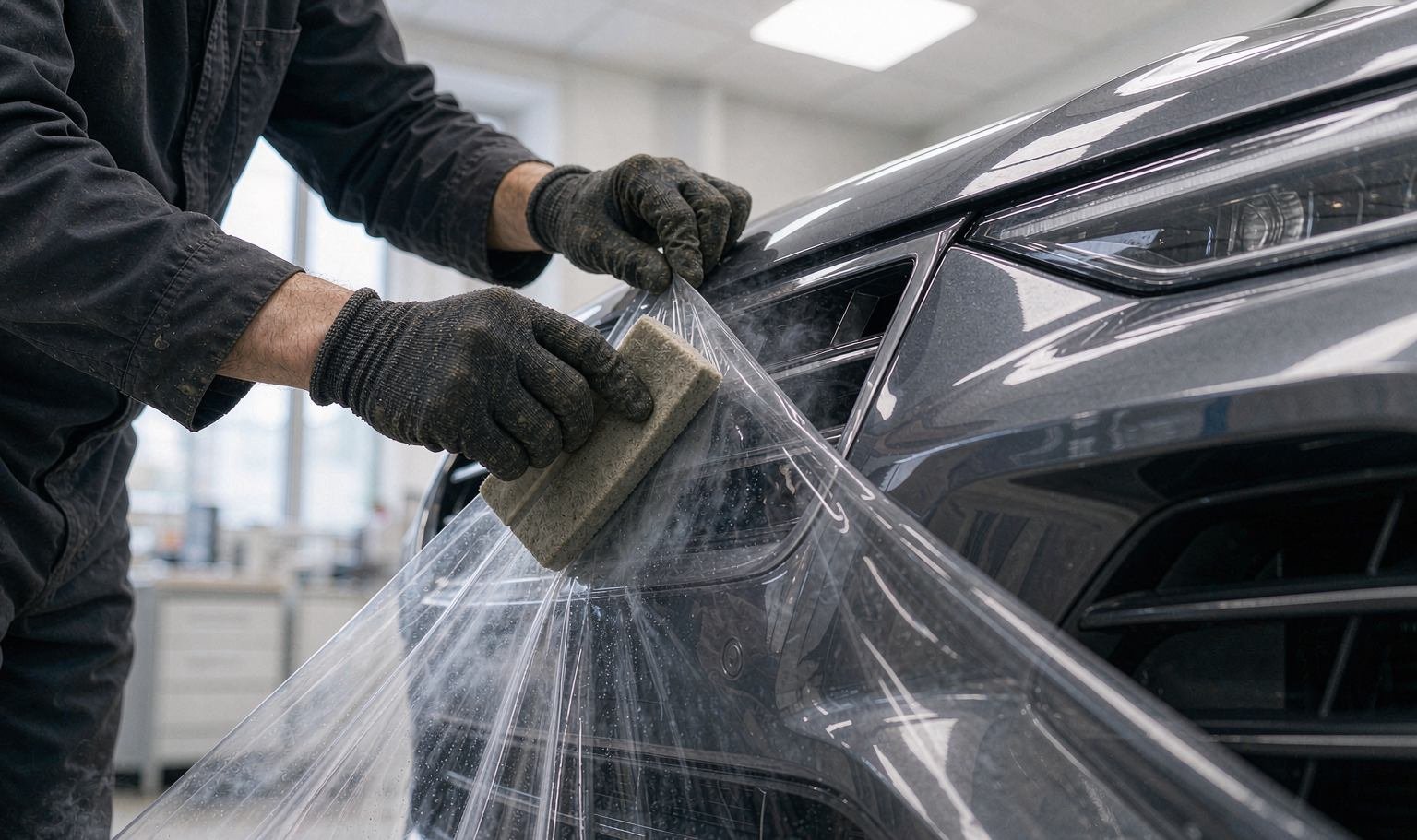
The Stretch Budget: How Far TPU PPF Can Go Before It Hazes
A bumper corner pulled past 25% stretch loses clarity and impact protection weeks before anyone notices, so the limit has to be set before the knife comes out.

A bumper corner pulled past 25% stretch loses clarity and impact protection weeks before anyone notices, so the limit has to be set before the knife comes out.
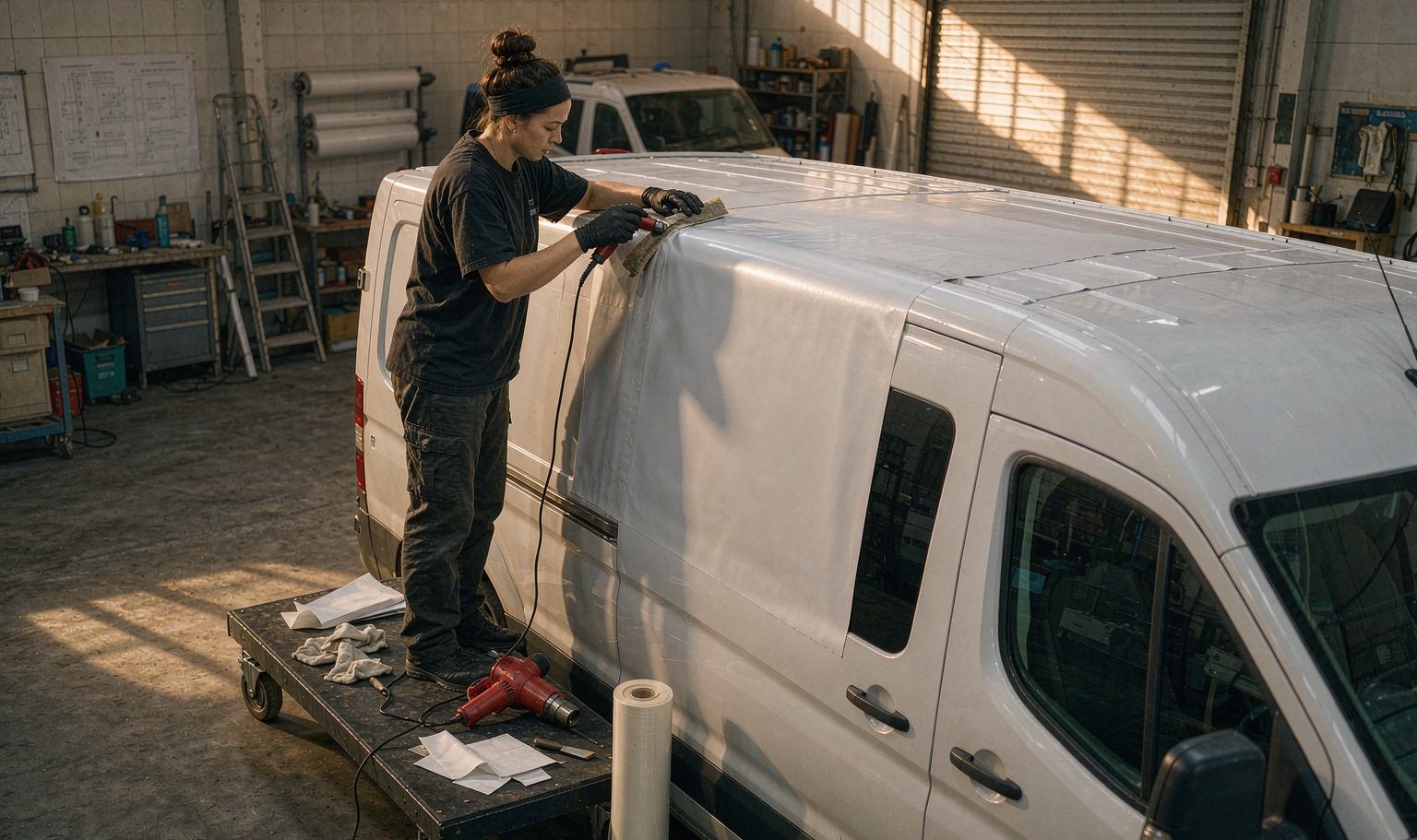
Roll width, not skill, decides where a wrap seam goes, and the seam plan belongs in the quote.
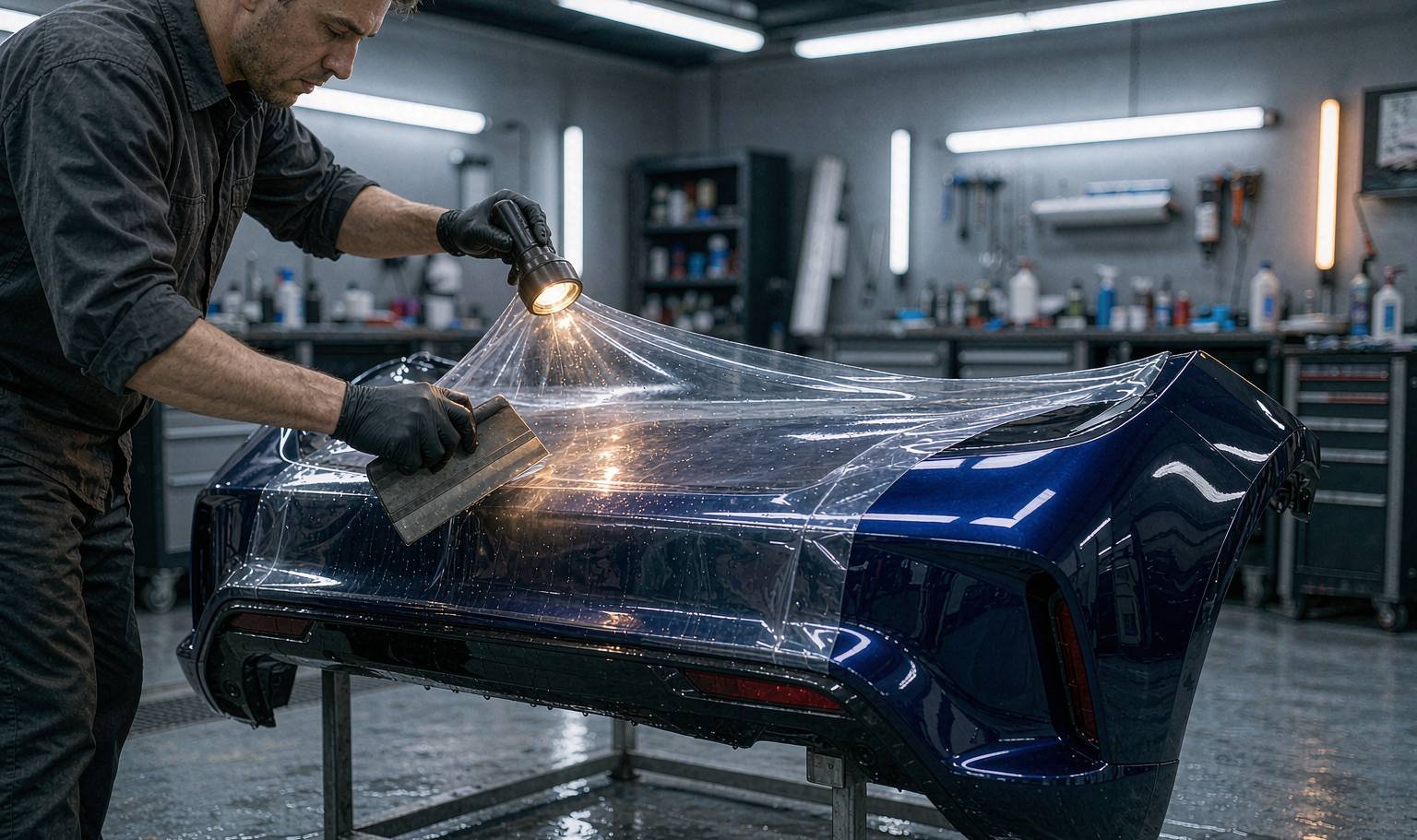
Filming a repainted panel too early traps solvent and blisters the film, so the cure window belongs in the quote.
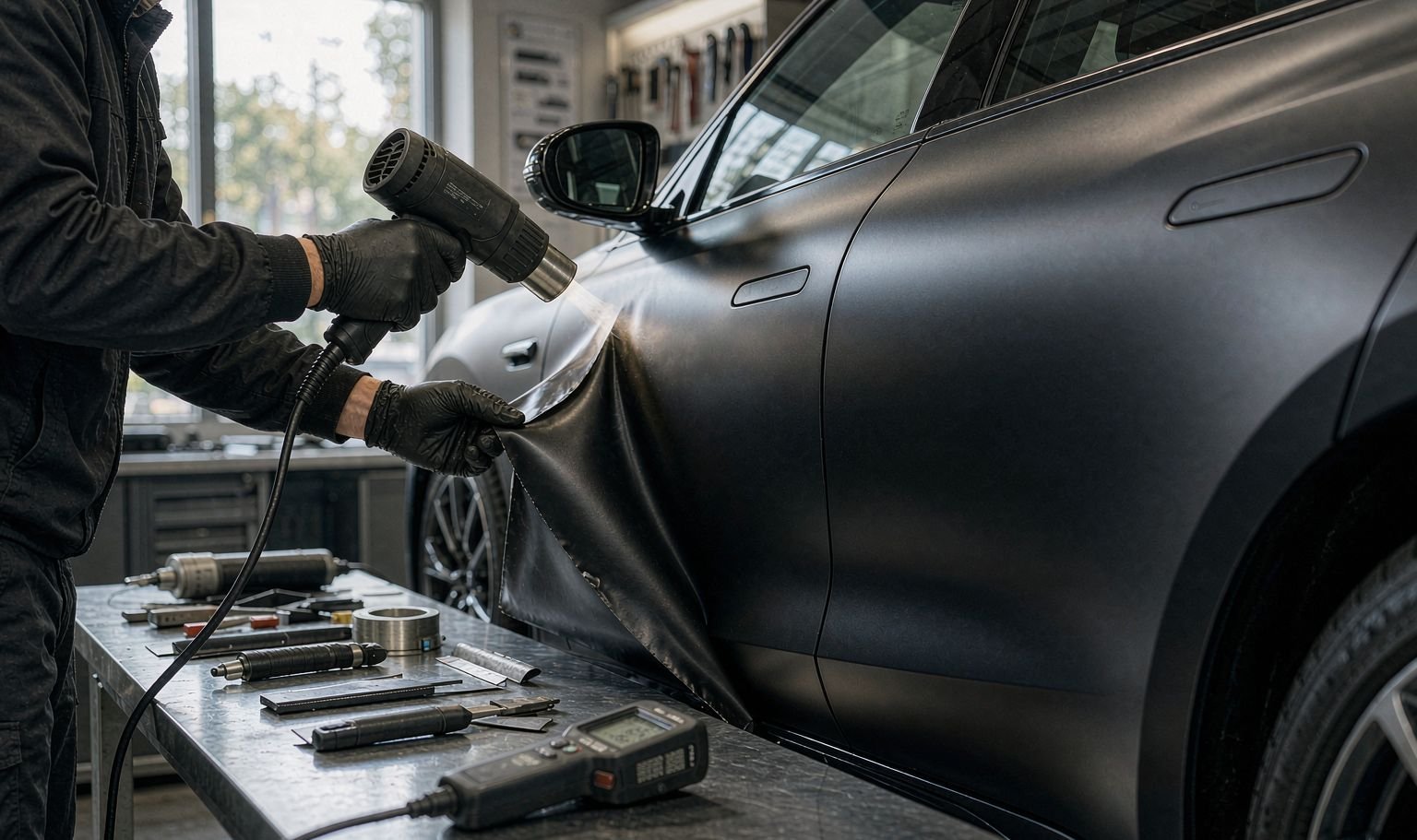
Film age, peel temperature, peel angle and repaint history decide vinyl removal outcomes; here is the checklist shops use to quote by condition.
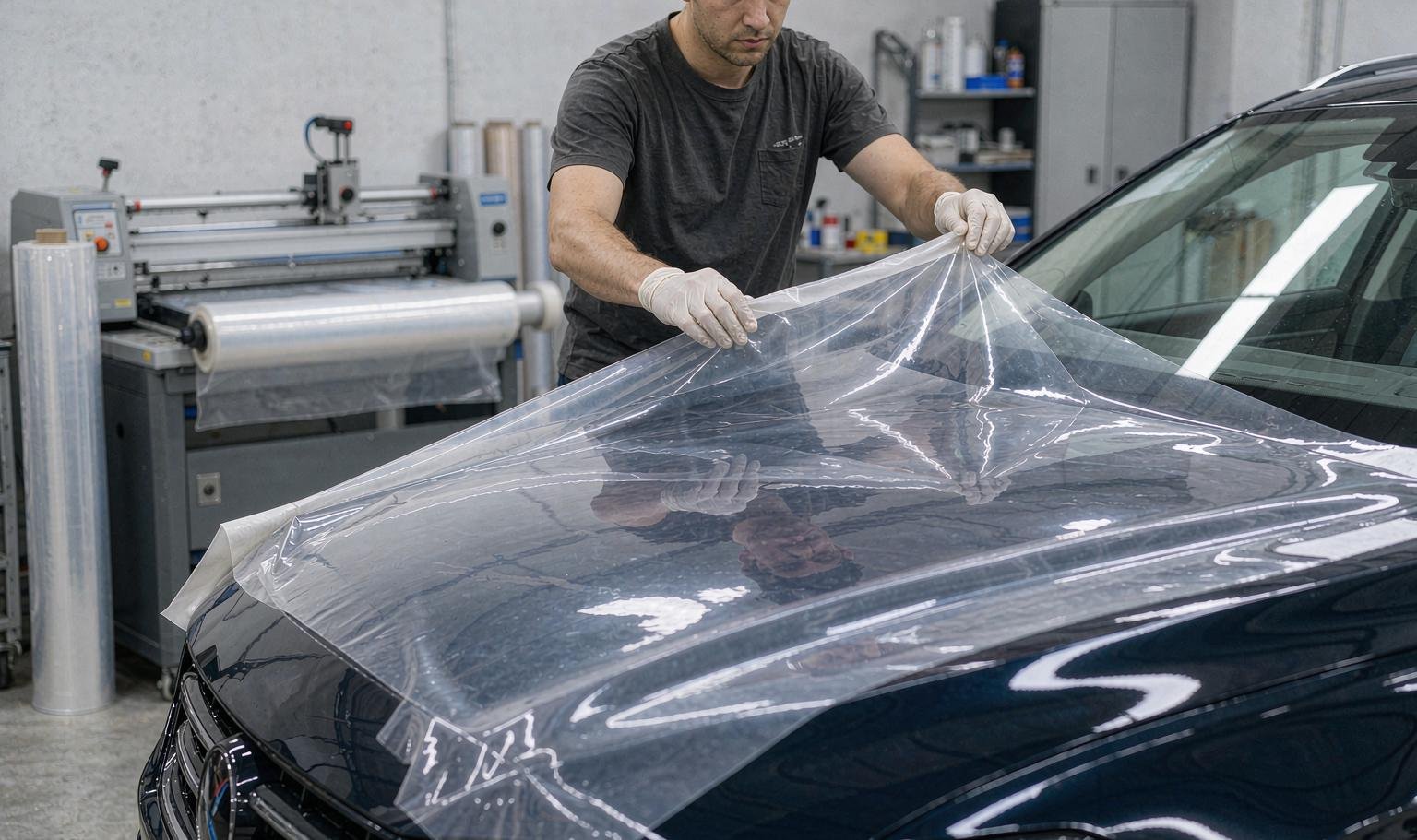
Kit premium, bulk waste rates and bay time compared with real numbers so installers can price the next full-front TPU PPF job correctly.
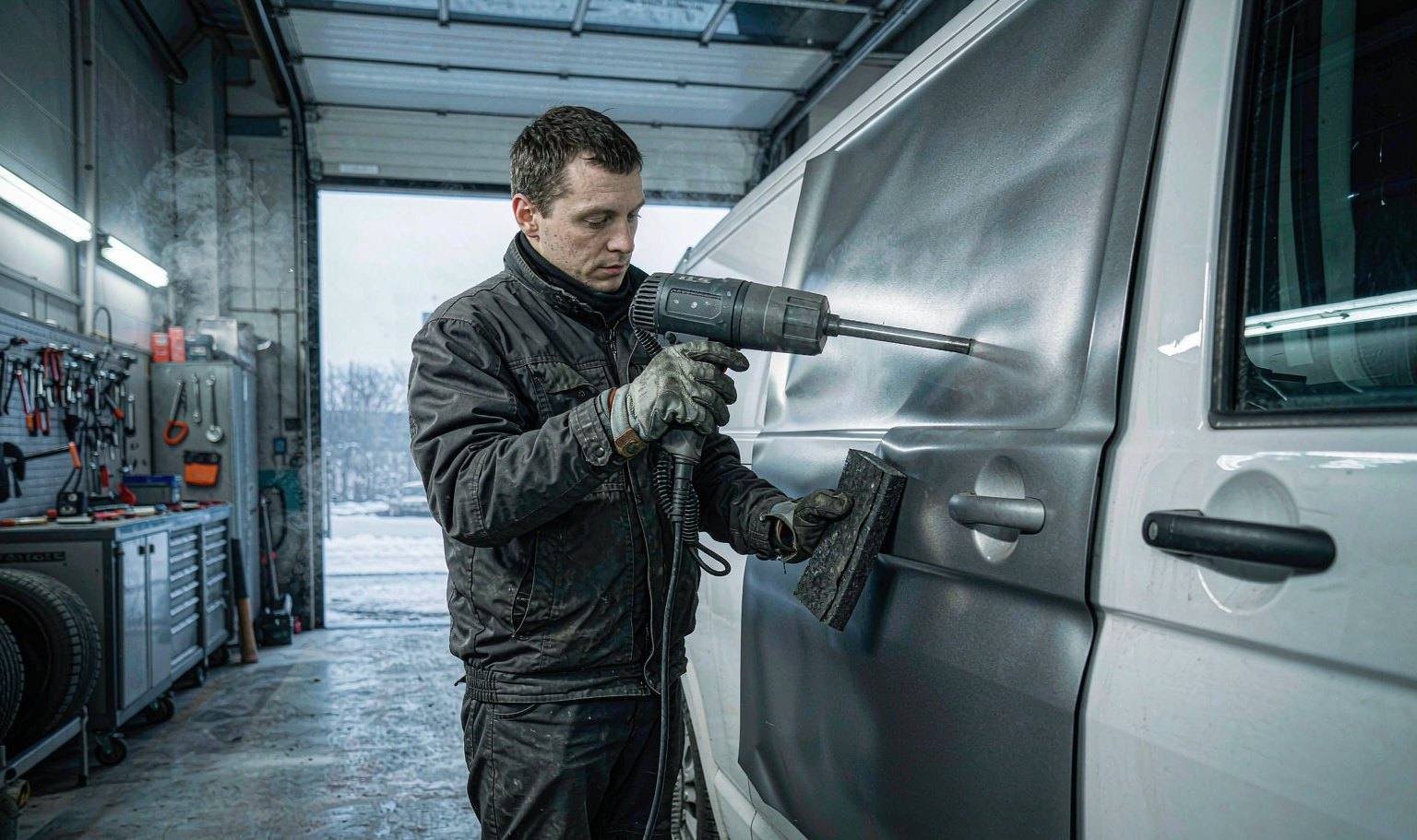
Cold bays quietly ruin vinyl wraps, and four shop numbers, ambient temperature, dew point gap, humidity, and verified post-heat, decide whether a winter install survives.

Most early PPF failures start at the edge, and four checkable numbers, post-heat temperature, wrap width, cure time, and bondline cleanliness, tell you which installs will hold.
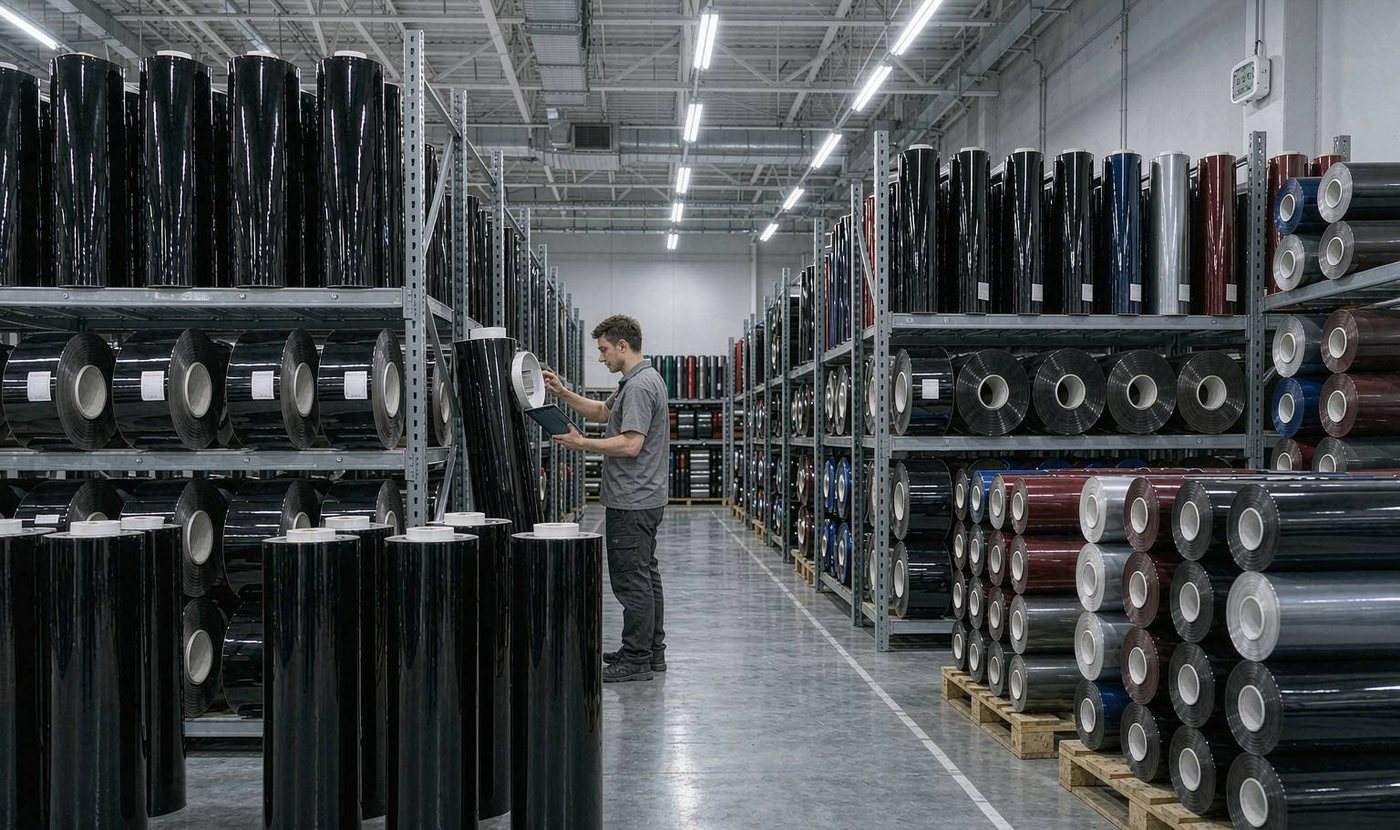
Cast vinyl wrap carries a 2-3 year storage clock that starts at extrusion, and most rolls are already months old before a shop opens the carton.
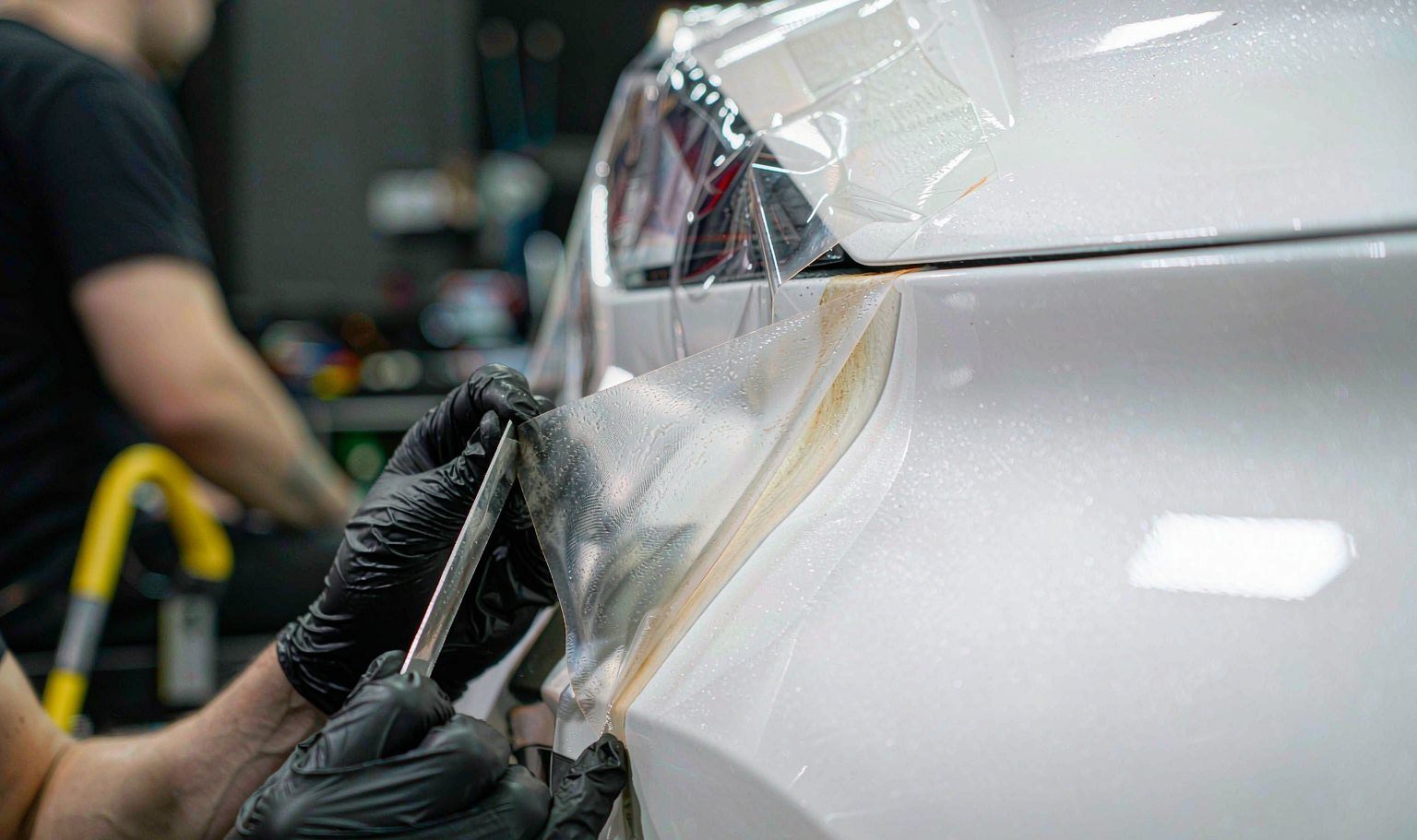
Most PPF warranties remedy a defect with free film while leaving the 35-55% of job value that is labor entirely on your side of the table.
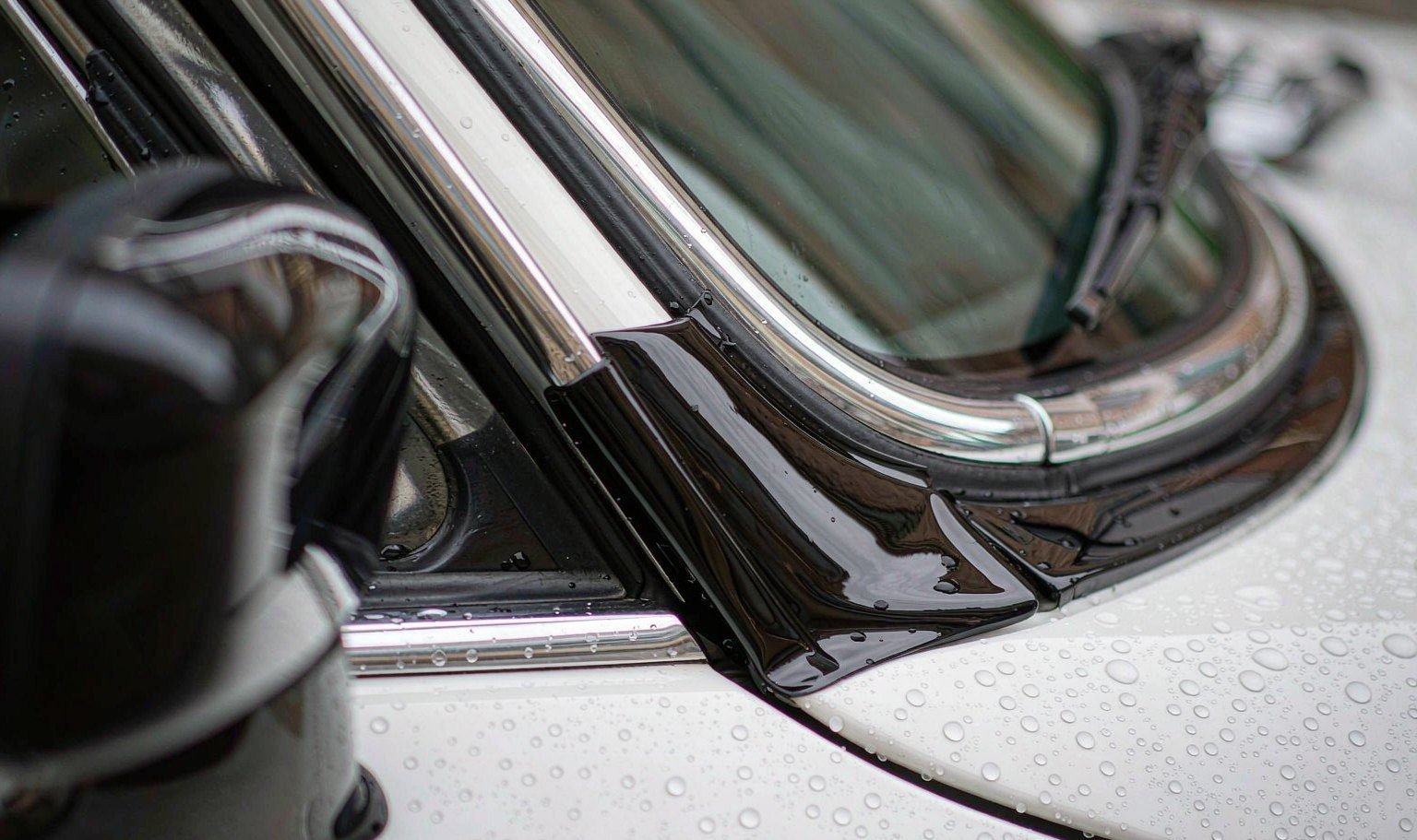
Chrome delete callbacks come from low-energy trim, stored stretch stress and bare edges – a six-step protocol that ends them.

Satin PPF and matte cast vinyl look alike in the showroom and diverge by year three – here are the four numbers that justify the price gap.

TPU is a polymer family, not a film spec. Here is how aliphatic and aromatic TPU diverge in UV aging, and the four numbers to demand before you buy another roll.