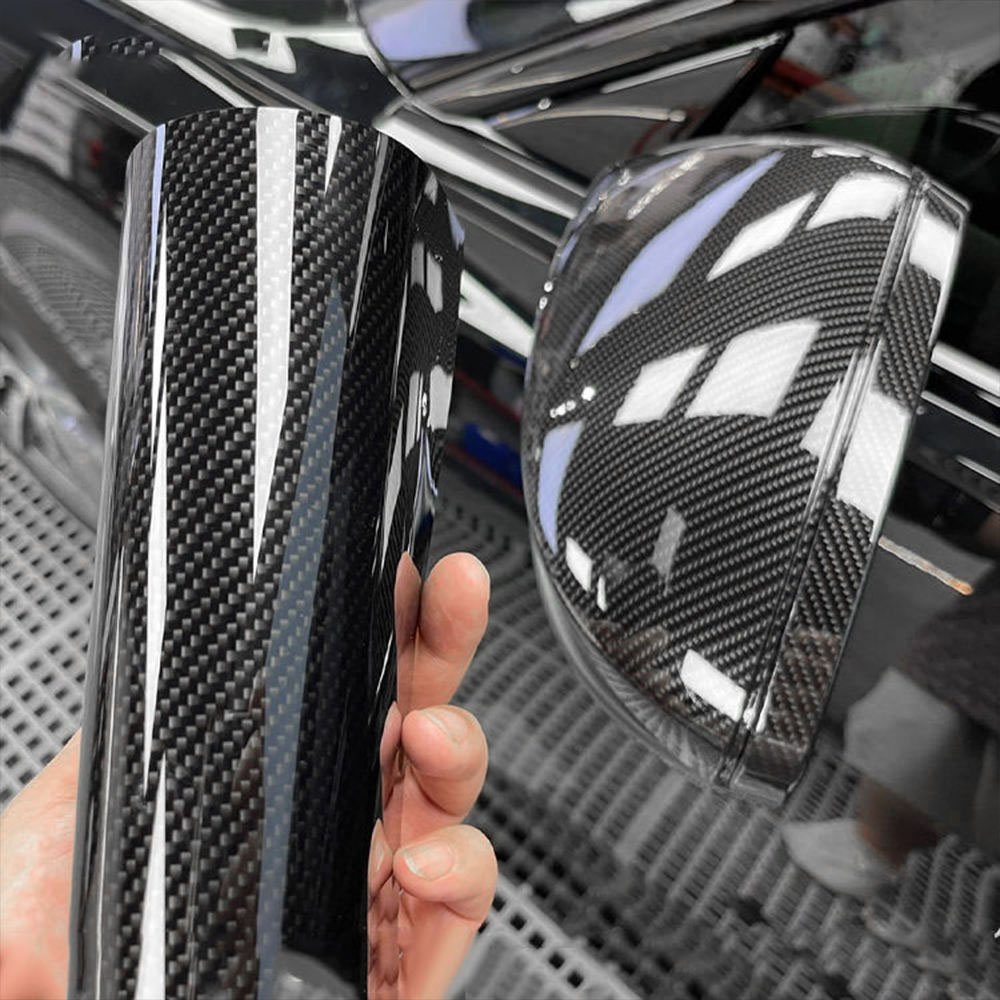
PCU PPF Film is a paint protection film (PPF) made of polycarbonate based polyurethane (PCU) material, designed specifically for automotive paint protection. Its core features include:
Material: Made of PCU material, it has high wear resistance (8H hardness) and impact resistance, which can effectively resist scratches from sand and gravel.
Function: The transparent film body can completely cover the original car paint, providing UV protection and self-healing ability, with a service life of over 5 years.
Application: Suitable for new energy vehicles and luxury cars, construction requires a professional environment (such as temperature control).
PCU (polycarbonate based polyurethane) and TPU (thermoplastic polyurethane) are the two mainstream materials for Car Film, with the following core differences:
Comparison of Material Characteristics
Advantages of PCU PPF film:
Strong impact resistance, tear resistance, and excellent scratch resistance.
Excellent weather resistance (-40 ℃~120 ℃), with hydrolysis resistance more than three times higher than TPU.
No self-healing function, long-term use may cause yellowing.
Advantages of TPU PPF film:
Good elasticity, with built-in scratch self repair function (triggered by sunlight/hot water).
Strong UV resistance, not prone to yellowing, environmentally friendly and recyclable.
The high temperature resistance (89 ℃) and low temperature resistance (-40 ℃) performance are comparable to PCU.
Differences in Car Film Applications
PCU PPF film for car:
Suitable for extreme environments (such as high temperature and high humidity areas), with a warranty of up to 15 years.
The price is relatively high, about 1.5-2 times that of TPU.
TPU PPF film for car:
Mainstream choice, suitable for daily protection, with a service life of 5-10 years.
Professional construction is required, and it is recommended to choose aliphatic TPU+nano coating technology.