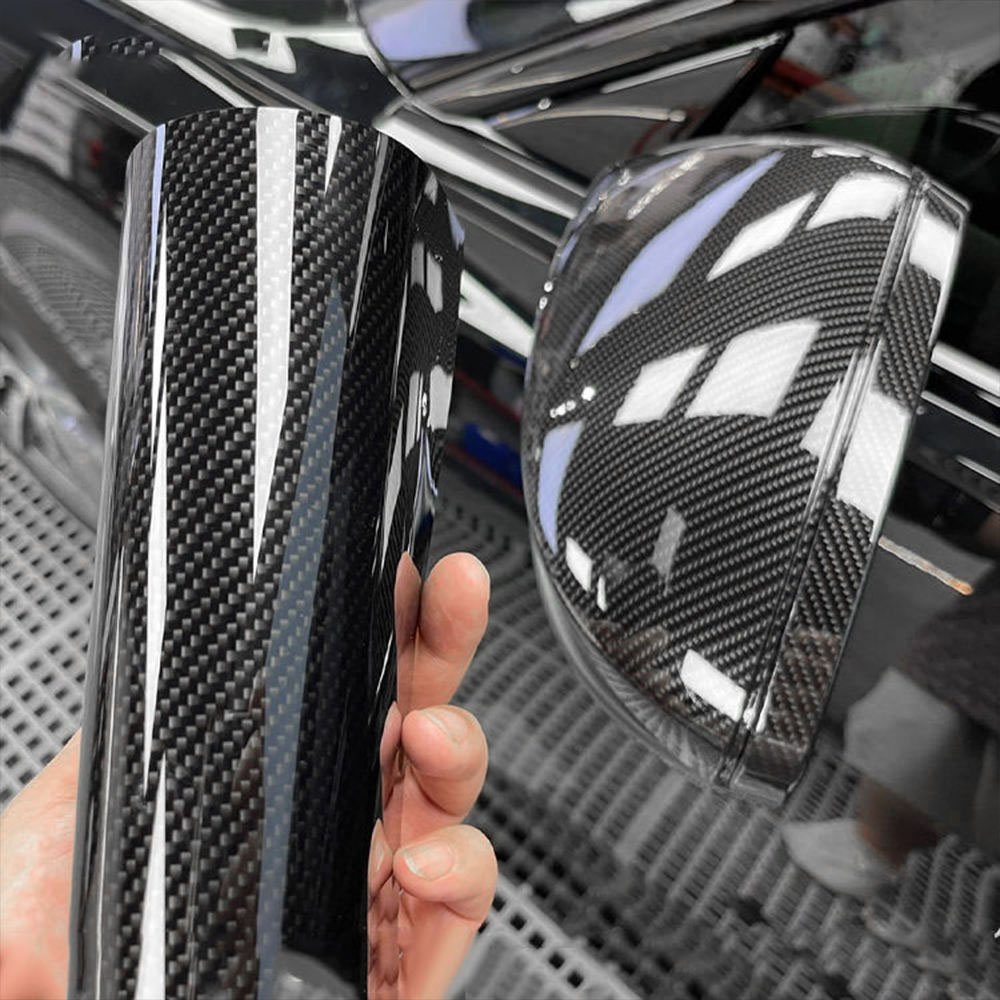
In the realm of automotive protection, Paint Protection Film (PPF) and ceramic coatings stand as two prominent solutions, each offering distinct advantages and applications. Understanding their differences is crucial for car owners seeking to preserve their vehicle’s aesthetics and longevity.
PPF Car: Physical Barrier Protection
Paint Protection Film (PPF) is a thermoplastic urethane film applied to a car’s exterior surfaces. It acts as a physical shield against scratches, chips, and environmental damage. PPF is particularly effective in protecting against road debris, stone chips, and minor abrasions, making it ideal for daily drivers exposed to harsh conditions.
Advantages of PPF:
- Hållbarhet: PPF can withstand significant physical impacts, offering long-term protection against wear and tear.
- Self-Healing: Some PPF variants possess self-healing properties, where minor scratches can disappear with heat exposure.
- Versatility: PPF can be applied to various parts of the vehicle, including the front bumper, hood, and mirrors, providing targeted protection.
Limitations of PPF:
- Maintenance: PPF requires regular cleaning to maintain its clarity and appearance.
- Cost: High-quality PPF installation can be expensive, especially for full vehicle coverage.
- Aesthetics: While PPF is clear, it may alter the paint’s gloss and depth compared to ceramic coatings.
Ceramic Coating: Chemical Protective Layer
Ceramic coatings are liquid polymers applied to the car’s paint surface, chemically bonding to create a protective layer. This coating enhances the vehicle’s resistance to UV rays, chemical stains, and environmental contaminants.
Advantages of Ceramic Coating:
- Chemical Resistance: Ceramic coatings provide superior protection against acid rain, bird droppings, and other chemical contaminants.
- Aesthetic Enhancement: They offer a high-gloss finish, enhancing the vehicle’s visual appeal and depth perception.
- Ease of Maintenance: Ceramic coatings make cleaning easier, as dirt and grime are less likely to adhere to the surface.
Limitations of Ceramic Coating:
- Physical Protection: Unlike PPF, ceramic coatings do not provide significant protection against physical impacts like scratches or chips.
- Application Complexity: Professional application is often required to ensure even coverage and proper bonding.
- Longevity: While durable, ceramic coatings may degrade over time and require reapplication.
PPF vs Ceramic Coating: Which is Better?
The choice between PPF and ceramic coating depends on specific needs. PPF excels in physical protection, making it suitable for vehicles exposed to debris and harsh conditions. Ceramic coatings, on the other hand, are ideal for enhancing aesthetics and chemical resistance, perfect for cars kept in cleaner environments. For comprehensive protection, some opt for a combination of both, leveraging PPF for high-impact areas and ceramic coating for the rest of the vehicle. Ultimately, the decision hinges on prioritizing physical durability or chemical resistance based on individual driving conditions and preferences.