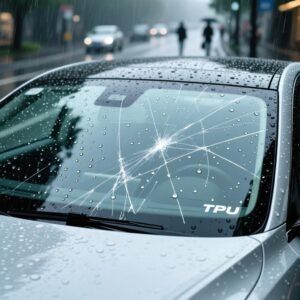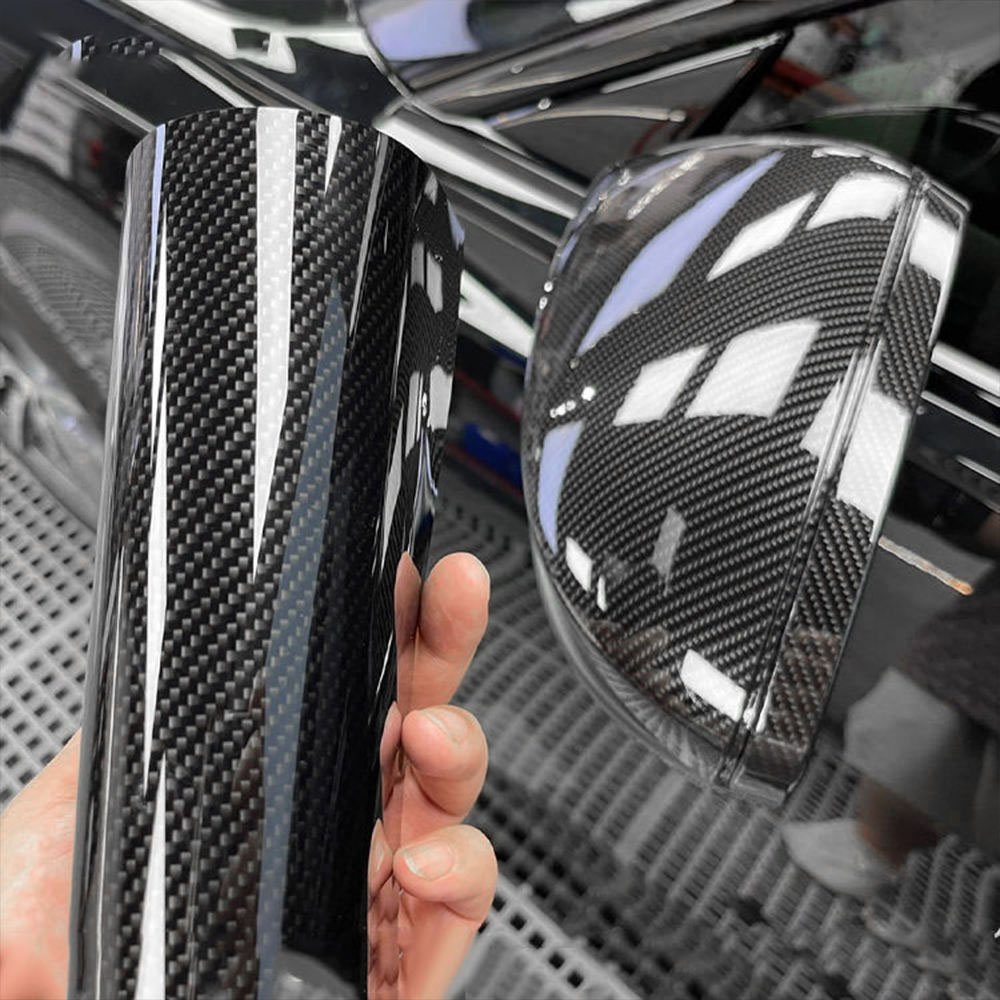
Thermoplastic polyurethane (TPU) film has gained significant attention in the automotive industry due to its unique properties. While initially popular for paint protection and color change applications, TPU PPF film is now being explored for automotive window tinting. This article examines the suitability of TPU film for car windows, discussing its advantages, limitations, and best practices.
Understanding TPU Film Properties
TPU is a versatile polymer known for its exceptional durability, flexibility, and resistance to environmental factors. These characteristics make it an attractive option for automotive applications beyond traditional uses like paint protection. TPU films offer several key benefits:
- UV Protection: Blocks up to 99% of harmful ultraviolet rays
- Heat Rejection: Reduces solar heat gain by up to 60%
- Impact Resistance: Provides superior protection against debris and minor impacts
- Longevity: Maintains integrity for extended periods without yellowing
These properties make TPU film particularly appealing for sunroof and panoramic roof applications where heat buildup and UV exposure are significant concerns.
TPU Film vs Traditional Window Tinting Materials
When compared to conventional window tinting materials, TPU film presents several advantages:
- Durabilidad: Lasts significantly longer than typical dyed films
- Clarity: Maintains optical clarity without degrading over time
- Safety: Offers enhanced shatter resistance compared to standard films
- Eco-Friendliness: More environmentally friendly than PVC-based alternatives
However, TPU film also has some limitations when used for window tinting:
- Light Distortion: Can cause optical distortions that may affect driver visibility
- Application Complexity: Requires professional installation due to its unique characteristics
- Cost: Generally more expensive than traditional tinting options
Optimal Applications for TPU Window Film
While TPU film can be used for all car windows, it’s particularly well-suited for certain applications:
- Sunroofs: The heat-rejection properties make it ideal for reducing cabin temperature
- Rear Windows: Where durability and UV protection are paramount
- Specialty Vehicles: RVs, campers, and luxury cars benefit from its premium characteristics
For front side windows, standard TPU film may not be the optimal choice due to light distortion concerns, though specialized formulations are being developed to address this issue.
Professional Installation Requirements
Proper application of TPU window film requires specialized expertise. Key installation considerations include:
- Surface Preparation: meticulous cleaning and degreasing of glass surfaces
- Application Techniques: specialized tools for stretching and positioning the film
- Curing Process: controlled environment for proper adhesion and bubble elimination
Professional installers report that TPU film application can take significantly longer than traditional tints due to its unique properties and curing requirements.
Cost Analysis and Long-term Value
While TPU film commands a price premium over conventional window tinting materials, its extended lifespan and enhanced protection capabilities can provide long-term value. The durability of TPU film means it won’t need replacement as frequently as standard tints, potentially offsetting the initial cost difference over time.
Future Developments in TPU Tinting Technology
Ongoing research and development in TPU formulations are addressing current limitations. Innovations include:
- Anti-Distortion Coatings: to improve optical clarity
- Enhanced Adhesives: for better installation and longevity
- Thinner Formulations: that maintain durability while improving flexibility
These advancements are expected to expand the applicability of TPU films for window tinting applications.
Conclusion
TPU film presents a compelling option for automotive window tinting, particularly for applications where durability, UV protection, and heat rejection are priority concerns. While it may not be the ideal solution for all window applications yet, ongoing technological advancements are improving its suitability for broader use. As the material continues to evolve, TPU-based window films are likely to become more prevalent in the automotive aftermarket.
Keyword: TPU window film, automotive window tinting, car sunroof protection, UV blocking car film, heat rejecting window film, TPU vs traditional tint, professional car window installation, durable car window solution, innovative automotive films, premium car window treatment