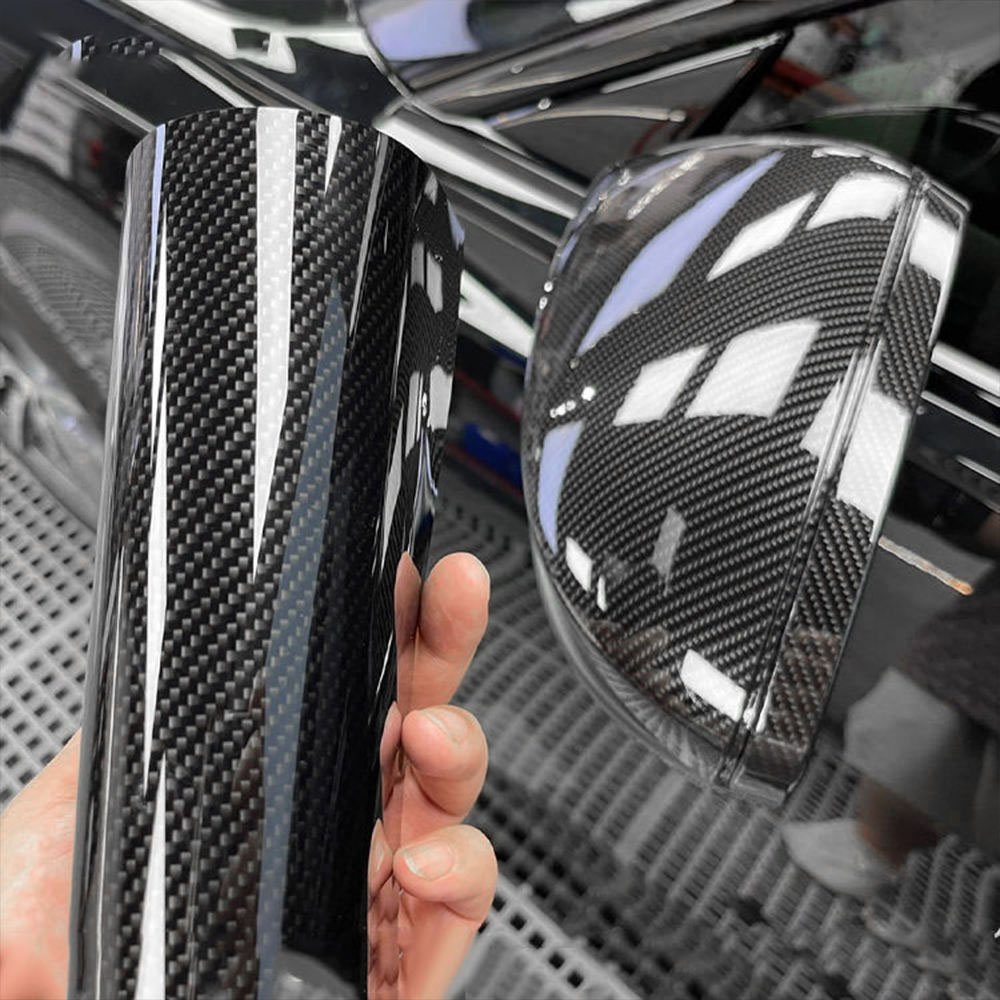
A Comprehensive Comparison for Car Protection
In the realm of automotive aesthetics and protection, two materials stand out: thermoplastic polyurethane (TPU) and vinyl wraps. Both serve as protective layers for vehicles, but their compositions, applications, and benefits differ significantly. Understanding these differences is crucial for car owners seeking to enhance their vehicle’s appearance while safeguarding its paintwork.
Material Composition and Purpose
TPU: The Protective Shield
TPU is a thermoplastic elastomer renowned for its durability and flexibility. Initially developed for military applications, TPU has evolved into a premium material for car protection. Its primary purpose is to shield the vehicle’s paint from physical damage, including rock chips, scratches, and UV degradation. TPU PPF films are designed to absorb impacts, making them ideal for cars frequently exposed to harsh conditions like highways or gravel roads. Additionally, premium TPU wraps often feature self-healing properties, allowing minor scratches to disappear with heat exposure, ensuring long-term protection without compromising aesthetics.
Vinyl Wraps: Aesthetic Transformation
Vinyl wraps, typically made from polyvinyl chloride (PVC), are primarily aimed at aesthetic enhancement. They offer a wide range of colors, textures, and finishes, enabling car owners to change their vehicle’s appearance without permanent paintwork. Vinyl wraps are favored for their ease of application and strong reversibility, allowing for quick color changes or removal. However, their protective capabilities are limited compared to TPU. While they provide a minimal barrier against light scratches and UV exposure, they lack the thickness and elasticity to withstand repeated impacts or deep scratches.
Key Differences Between TPU and Vinyl Wraps
Protection Level
TPU excels in protecting against physical damage due to its high elasticity and tensile strength. It can absorb high-speed impacts from debris, preventing chips and scratches from reaching the paint. Vinyl wraps, on the other hand, are more vulnerable to punctures and abrasions, offering only surface-level protection.
Durability and Longevity
TPU wraps are designed for long-term use, withstanding extreme weather conditions and maintaining their protective properties over time. Vinyl wraps, while durable in their own right, are more prone to wear and tear, especially in harsh environments, leading to quicker degradation.
Aesthetic Flexibility
Vinyl wraps offer unparalleled aesthetic flexibility, with a vast array of colors and finishes available. TPU wraps, while available in clear and tinted options, focus more on protection than color customization.
Cost and Maintenance
Vinyl wraps are generally more affordable and easier to install, making them a cost-effective option for short-term aesthetic changes. TPU wraps, being premium materials, come at a higher cost but offer superior protection and longevity, reducing the need for frequent replacements.
Schlussfolgerung
Choosing between TPU and car vinyl wraps depends on your priorities. If protection against physical damage is paramount, TPU is the superior choice, offering durability and self-healing properties. For those seeking aesthetic transformation with less emphasis on protection, vinyl wraps provide a versatile and cost-effective solution. Understanding these differences ensures you select the option that best aligns with your vehicle’s needs and your personal preferences.