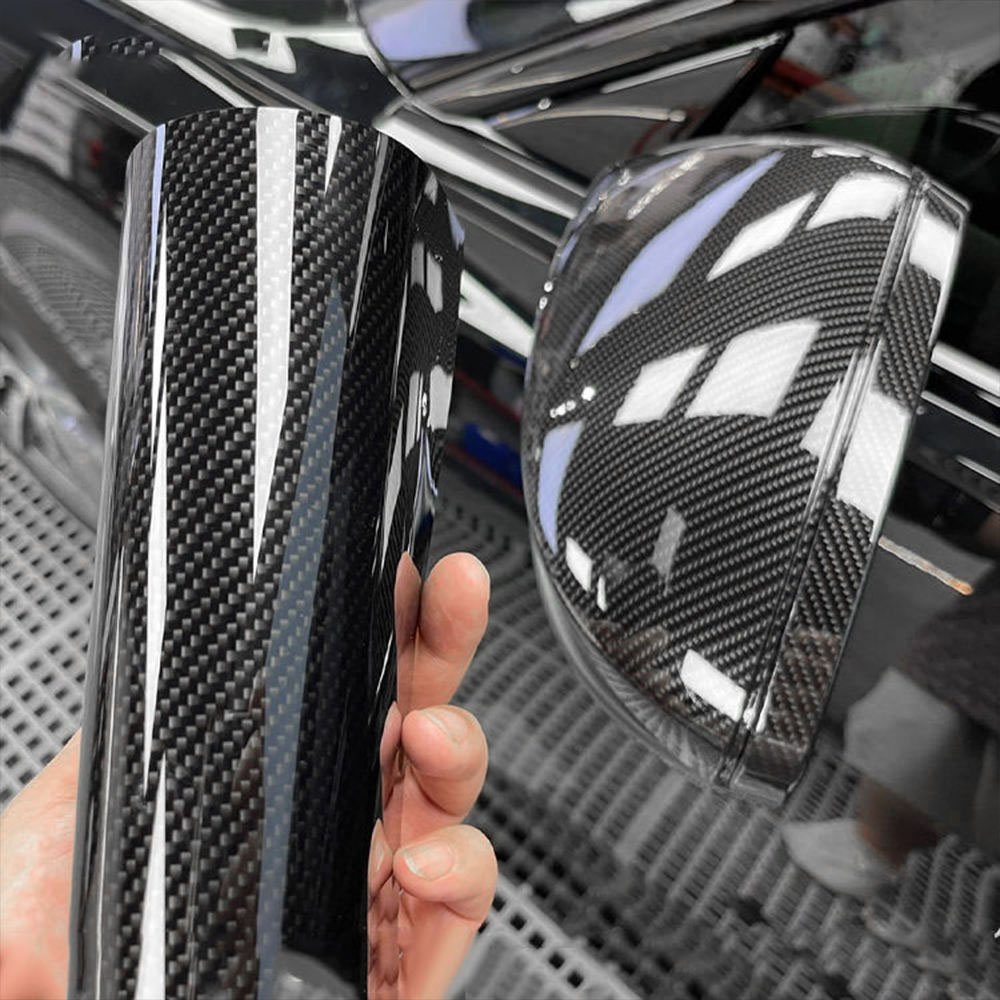
TPU vs TPH PPF Which is Better? A Comprehensive Analysis and Conclusion
The clear winner in the comparison between TPU (Thermoplastic Polyurethane) and TPH PPF (PVC-based modified material) for car protective films is TPU. TPU offers superior durability, self-healing capabilities, and long-term protection, making it the optimal choice for vehicle owners seeking premium protection. Below is a detailed analysis of their differences and why TPU stands out.
Material Composition and Flexibility
TPU: A high-performance thermoplastic elastomer with excellent elasticity, allowing it to seamlessly conform to complex vehicle contours without cracking or peeling. Its flexibility ensures full coverage, even on detailed surfaces like edges and curves.
TPH PPF: A modified PVC material with added plasticizers, which improves flexibility but remains inherently brittle compared to TPU. It can stretch during installation but lacks the resilience to withstand long-term stress or environmental exposure.
Durability and Longevity
TPU: Boasts superior resistance to wear, tear, and impact. Its self-healing properties enable it to recover from minor scratches and abrasions, maintaining a pristine appearance over time. TPU films can last up to 10 years with proper care.
TPH PPF: Prone to cracking, yellowing, and degradation under prolonged UV exposure or harsh weather conditions. Its lifespan is significantly shorter, typically lasting only 2-3 years before requiring replacement.
Protection and Performance
TPU: Provides comprehensive protection against scratches, stone chips, and environmental contaminants like acid rain and bird droppings. Its advanced formulation ensures consistent performance without losing clarity or adhesive strength.
TPH PPF: Offers basic protection but struggles with durability under extreme conditions. It may develop cracks or lose adhesion over time, compromising its protective qualities.
Environmental and Health Considerations
TPU: An eco-friendly material that is non-toxic and recyclable, making it safer for both users and the environment.
TPH PPF: Contains potentially harmful substances due to its PVC base, posing risks during production and disposal.
Conclusion
TPU is definitively better than TPH PPF due to its exceptional durability, self-healing properties, and long-lasting protection. While TPH PPF may be a budget-friendly option, its limitations in flexibility, longevity, and environmental safety make it inferior to TPU. For vehicle owners prioritizing quality and long-term value, investing in a TPU-based protective film is the optimal choice.