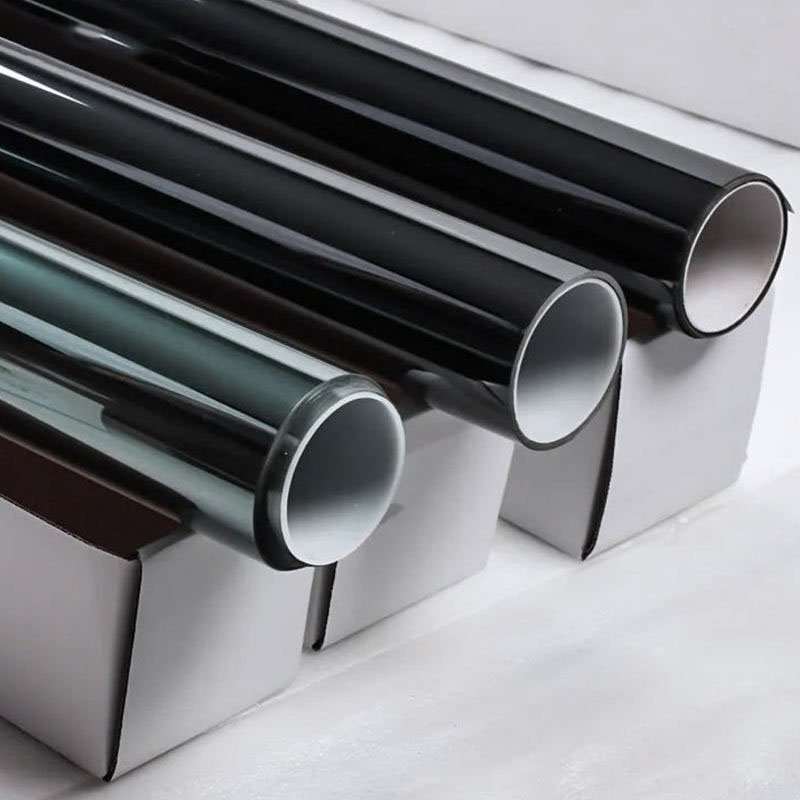

The mainstream materials for windshield tint film are multi-layer metal film and ceramic film:
Metal film: Magnetron sputtering technology, strong insulation (such as quantum diamond 70 insulation rate of 55%), but may slightly interfere with the signal
Ceramic film: Nano ceramic coating (such as dragon film crystal 80 with a thermal insulation rate of 47%), no signal shielding, suitable for new energy vehicles
Key parameters: Transmittance should be ≥ 70%, and UV blocking rate is recommended to be above 99%
PET substrate: Mainstream automotive ceramic films (such as Meiji V10 titanium nitride ceramic film) use polyethylene terephthalate (PET) as the substrate, and ceramic particles such as titanium nitride and zirconia are implanted into the substrate through magnetron sputtering or nanotechnology to form a multi-layer composite structure. This design combines high transparency (≥ 70%) and strong thermal insulation
Structural features: It usually includes a wear-resistant layer (4H hardness), a metal layer (vacuum aluminum plating), and an adhesive layer (pressure-sensitive adhesive). Some products adopt a “shallow front and deep back” gradient design

High end PET substrate particles and imported brand adhesives

Different Window tint are compatible with a 3-5 year warranty

Certificirano s strani CE in ROHS, okolju prijazno in varno

Hitra dobava blaga na kraju samem, približno 7-15 dni, s podporo pomorskega in zračnega prevoza
| Comparison Item | Metal Film | Ceramic Film |
| Heat Insulation | Reflective insulation, 61% IR reflectivity | Absorptive insulation, stable performance |
| Signal Interference | May block GPS/ETC signals | No metal layer, no signal interference |
| Durability | Prone to oxidation, 5-year warranty | Oxidation-resistant, 5–10-year warranty |
| Light Transmittance | Darker tint, may affect visibility | High transparency, clear vision |
| Price | Cost-effective | Technologically costly, relatively expensive |

| Izdelek | Car window tint film |
| Material | PET |
| Debelina | 2 mil |
| Velikost | 1.52*30 m |
| VLT | 15 |
| UVR | 99 |
| IRR | 92 |
| TSER | 89 |
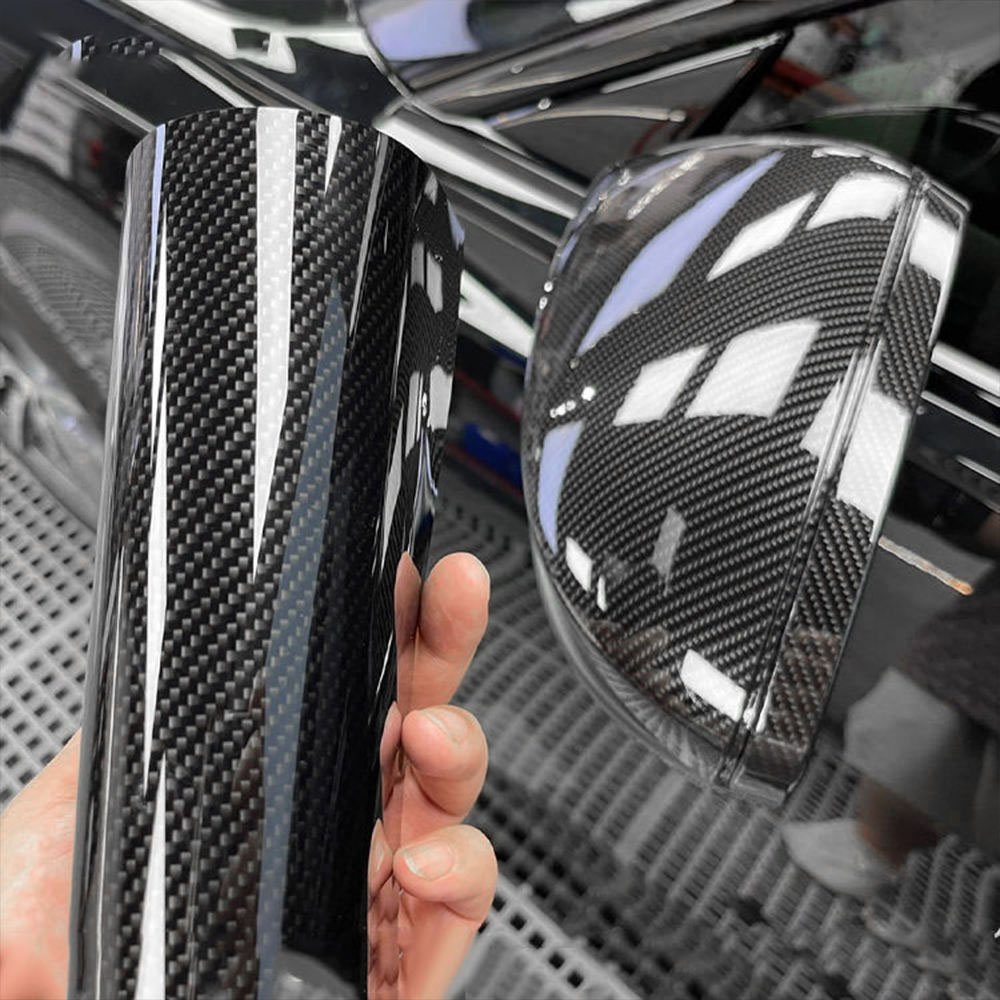
Folija za spreminjanje barve avtomobila je tanek filmski material, ki se nanese na površino avtomobila in lahko spremeni barvo karoserije, ne da bi poškodoval prvotno barvo, hkrati pa zagotavlja nekatere zaščitne funkcije. Glede na različne materiale in funkcije ima folija TPU za spreminjanje barve vrhunske materiale ter združuje funkcije spreminjanja barve in nevidnih avtomobilskih oblačil.


The mainstream materials for windshield film are multi-layer metal film and ceramic film, with the specific material composition as follows:
1. The multi-layer metal film adopts magnetron sputtering technology to uniformly sputter rare metals such as gold, silver, titanium, nickel, chromium, etc. onto the PET substrate.
2. In the field of automotive ceramic film, PET (polyethylene terephthalate) is commonly used as the substrate, such as the Meiji V10 titanium nitride ceramic film, which implants titanium nitride ceramic particles into the PET substrate.
1. Robov ne umivajte z visokotlačnimi vodnimi pištolami: V 10 dneh po nanosu folije vozila ne perite, v 7 dneh pa pranje ni priporočljivo,
2. Pravočasno čiščenje trdovratnih madežev: Žilave madeže, kot so oljni madeži in žvečilni gumi, je treba očistiti v 24 urah,
3. Izogibajte se ekstremnim okoljem: Dolgotrajna izpostavljenost sončni svetlobi ali neenakomernemu ogrevanju in hlajenju lahko pospeši staranje.
1. Cena stroškovno učinkovitega in varčnega nevidnega folijskega traku TPU se giblje od $250 do $400 na zvitek.
2. Uvoženi alifatski TPU osnovni material, posebej zasnovan za luksuzne modele avtomobilov s ceno nad 300 000 juanov, z močno zaščitno zmogljivostjo in 10-letno garancijo. Cena avtomobilske folije je približno $500 na zvitek.
3. Večplastni kompozitni material TPU, primeren za luksuzne avtomobile milijonske vrednosti ali vozila s posebnimi procesnimi zahtevami, po ceni približno $1000 na zvitek.