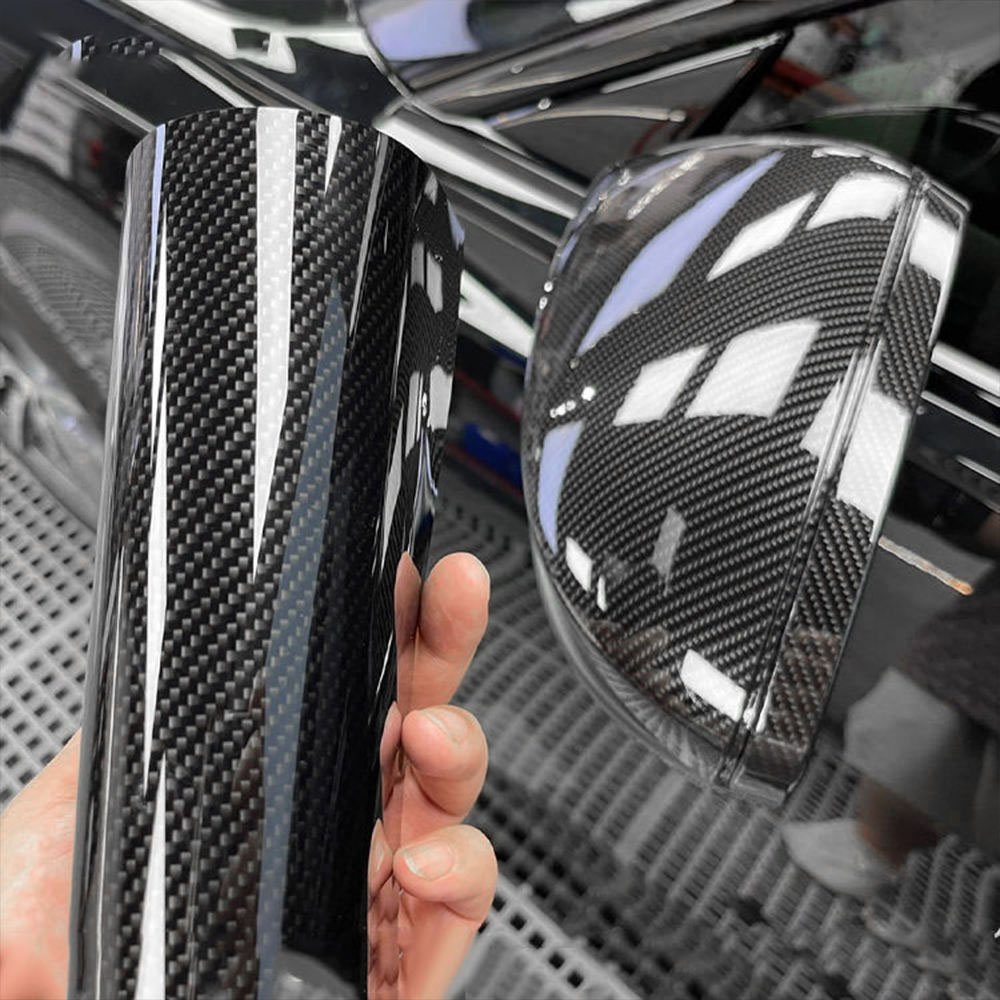
TPU material is safe for human body under normal usage conditions, but potential risks under specific conditions should be noted. Here is a detailed analysis:
1. Characteristics and Safety of TPU Material
TPU (Thermoplastic Polyurethane Elastomer Rubber) boasts advantages such as wear resistance, oil resistance, and flexibility, making it widely utilized in various fields like sports shoes, mobile phone cases, and medical equipment. Its chemical properties are stable, ensuring that it does not emit toxic substances under normal circumstances.
II. Potential Risks and Precautions
Residues from production process: If the process is not up to standard, unreacted monomers or catalysts may remain, which may cause skin allergies (such as itching and rash) upon long-term exposure.
High-temperature and high-humidity environment: When wearing TPU tight-fitting equipment in summer, high temperature and humidity may promote the release of small molecular substances from the material, which, if accumulated over a long period, may affect health.
Surface damage risk: Damaged TPU products may expose harmful substances inside, increasing the risk of exposure.
III. Safety usage suggestions
Choose formal products: Prioritize purchasing TPU products that have passed medical or food certification to ensure safety.
Avoid long-term contact: Reduce prolonged close contact with TPU products, especially in high-temperature and high-humidity environments.
Seek medical attention promptly: If symptoms such as skin allergies occur, discontinue use immediately and consult a doctor.
The safety and environmental friendliness of TPU PPF
TPU PPF 필름 excels in safety and environmental friendliness, making it particularly suitable for high-frequency contact scenarios such as car wrapping. Specifically:
1. Safety performance
Chemical stability: TPU is synthesized from isocyanate and polyol, and it does not release harmful substances under normal use. Its safety has also been confirmed by tests conducted by the U.S. Consumer Product Safety Commission.
Physical properties: It exhibits outstanding impact resistance and wear resistance, effectively protecting car paint. Additionally, it feels soft and elastic to the touch, with no pungent odor.
Pet-friendly design: The TPU-coated webbing is flexible and skin-friendly, without snagging fur, thus avoiding the skin irritation caused by traditional nylon webbing due to fuzzing and static electricity.
II. Environmental friendliness
Biodegradability: TPU can naturally degrade into biodegradable substances within 3-5 years, and the degradation process will not cause changes to the pH value of soil or groundwater.
Recyclable: TPU can be recycled and used to create more raw materials, including more TPU, meeting environmental protection requirements.
Low-carbon production process: Compared to leather or PVC materials, the production process of TPU rubberized webbing is more low-carbon and environmentally friendly.
III. Application Scenarios
TPU encapsulated webbing is not only suitable for pet leashes and collars, but also widely used in outdoor gear, bags, and other fields, demonstrating its versatility. In the field of car wrapping, TPU PPF film has become the preferred material for the protection of medium and large vehicles due to its excellent performance.