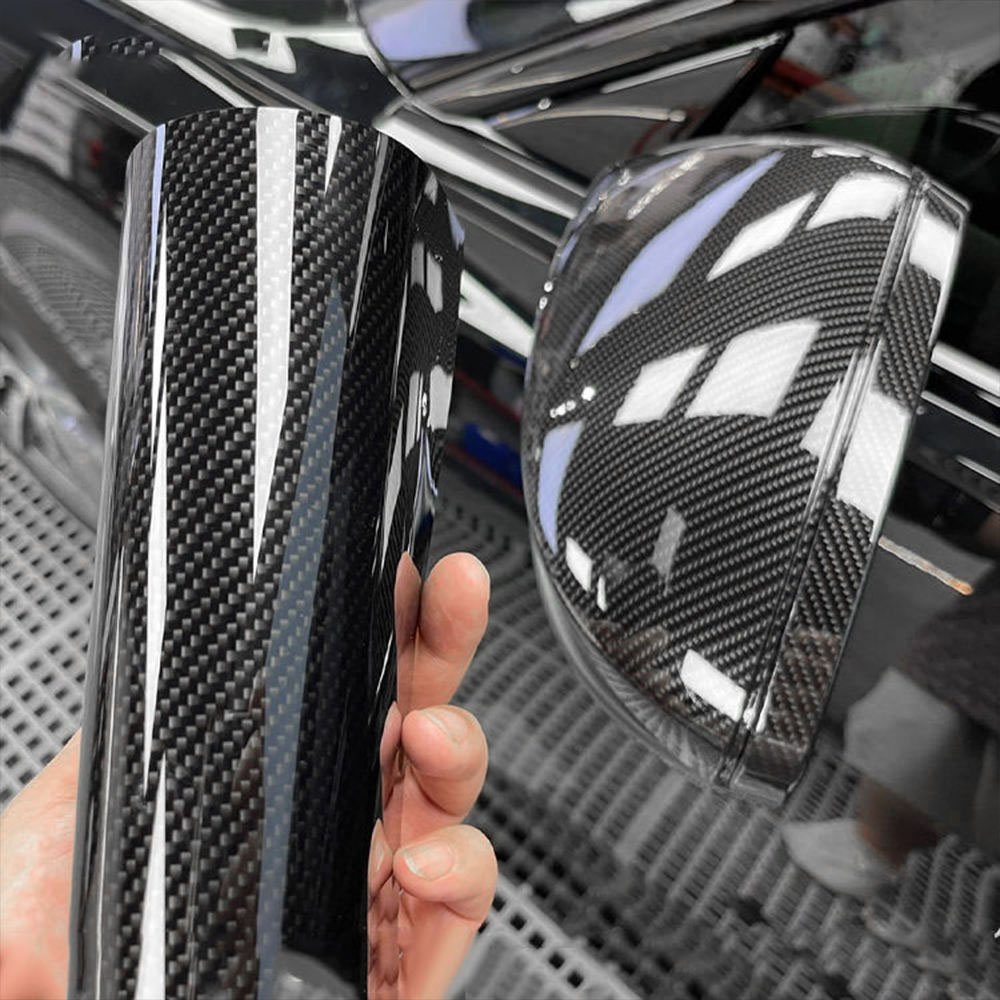
what is Self-healing PPF ?
Self-healing PPF is a smart protective film that automatically repairs minor scratches and swirl marks when exposed to heat. This technology uses special polymers that flow back into place after damage, keeping surfaces looking flawless. For car, it’s ideal for protecting frames and components from road debris and UV damage while maintaining the original matte finish.
Key benefits:
- Self-repair: Minor scratches disappear with sunlight or warm water
- Durata: Resists rock chips, abrasions, and environmental wear
- Aesthetic: Preserves matte appearance without gloss
- Low maintenance: Reduces need for frequent detailing
Considerations:
- Higher initial cost than standard films
- Healing may be slower in cooler climates
- Deep scratches may not fully repair
Ideal for high-end car and riders who prioritize long-term appearance with minimal upkeep.
What is the cost of PPF self-healing?
Self-healing PPF for car typically costs 500$ per roll (1.52m×15m), depending on thickness and warranty.
Price Range
- 220$/roll: 8.5mil thickness, 5-year warranty, nano-coating gloss finish
- 240–250$/roll: 8.5mil thickness, 5-year warranty, high-gloss finish
- 380–450$/roll: 7.5mil thickness, 7-year warranty, satin finish
Fattori chiave
- Spessore: 7.5mil is standard, 8.5mil offers extra durability
- Garanzia: 5–7 years affects longevity claims
- Finish: Satin vs. gloss impacts price and appearance
How long does PPF take to self heal?
The self-healing time of PPF varies depending on the extent of damage and temperature: minor scratches can be repaired within minutes in sunlight, while deeper scratches may take several hours. Professional-grade products (such as Comliker and XPEL) typically have a faster self-healing speed than ordinary ones.
How to fix self-healing PPF?
Fixing Self-Healing PPF: A Quick Guide
Self-healing PPF repairs minor scratches automatically when exposed to heat. Here’s how to help it along:
- Sunlight Power: Park your car in direct sunlight for 10-15 minutes. The heat activates the film’s polymers to flow back into place
- Warm Water Boost: For stubborn marks, gently wipe with a warm (not hot) damp cloth. The moisture helps the healing process.
Pro Tips:
- Avoid harsh chemicals or abrasive cleaners
- Deep scratches may need professional attention
- Regular maintenance keeps the film looking new longer
This tech works best on high quality PPF like XPEL or 3M. For cars, focus on protecting high-impact areas like the frame and forks.
What is the best PPF for self-healing?
The Best PPF for Self-Healing: Material Breakdown
The optimal Paint Protection Film (PPF) for self-healing hinges on advanced thermoplastic polyurethane (TPU) technology. TPU is a flexible yet durable polymer that combines elasticity with high tensile strength, enabling it to absorb impacts without tearing. Its molecular structure allows for dynamic stretching and recovery, making it ideal for curved surfaces like car frames.
Key Material Features:
- Self-Healing Topcoat: A proprietary elastomeric layer softens when exposed to heat (sunlight or warm water), allowing minor scratches to “flow back” into place within minutes. This maintains clarity and reduces maintenance needs.
- UV Resistance: High-quality TPU includes UV stabilizers to prevent yellowing and degradation over time, ensuring longevity even in sunny climates.
- Hydrophobic Properties: Some films incorporate hydrophobic topcoats to repel water and contaminants, simplifying cleaning.
Why TPU Dominates: Unlike PVC or TPH, TPU offers superior elasticity, self-repair capabilities, and environmental resilience. Premium brands like XPEL and 3M use multi-layer TPU designs with enhanced adhesives for flawless application.
Considerations:
- Thickness (typically 6–10 mils) balances protection and flexibility.
- Professional installation ensures seamless bonding, maximizing self-healing efficiency.
TPU PPF provides unmatched defense against road debris while preserving aesthetics—a smart investment for long-term car care.