Part 1: Defining Excellence – Core Characteristics and Unmatched Advantages
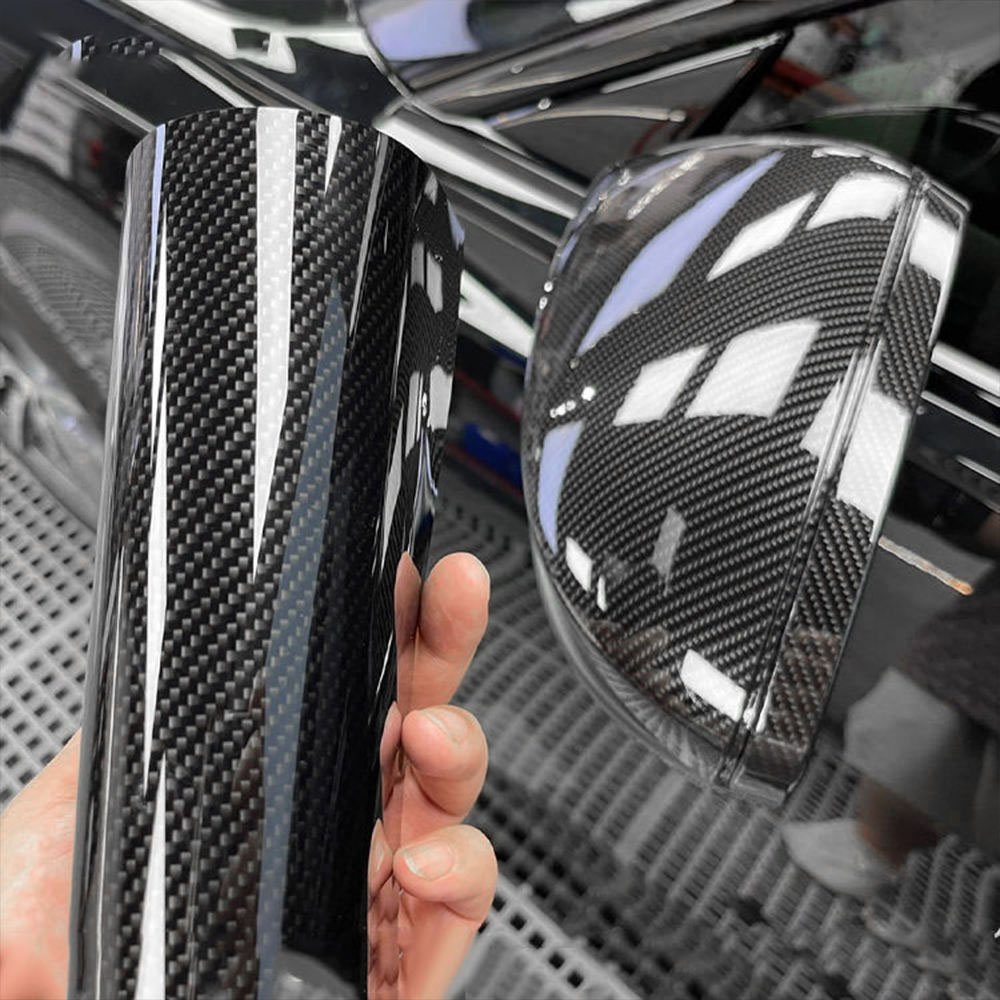
Carbon Fiber TPU Wrap represents the pinnacle of automotive exterior customization and protection, merging the iconic aesthetic of carbon fiber with the advanced material science of Thermoplastic Polyurethane. Unlike traditional vinyl wraps that merely imitate textures, or basic Paint Protection Films (PPF) that focus solely on defense, this product is a sophisticated multilayer composite. Its core typically consists of a flexible, high-grade aliphatic TPU base, upon which a hyper-realistic carbon fiber weave pattern is laminated and protected by a clear, self-healing top coat. This construction yields a suite of compelling features and advantages that set it apart.
The most immediate advantage is its transformative visual impact. It delivers the authentic, high-tech look and tactile feel of real carbon fiber—complete with a convincing 3D weave texture and deep gloss—at a fraction of the weight and cost of installing actual forged carbon parts. This allows car enthusiasts to achieve an aggressive, motorsport-inspired appearance on body panels, hoods, roofs, spoilers, and interior trims without permanent modification. Crucially, this aesthetic enhancement is not superficial. The underlying TPU matrix provides formidable protection. Its inherent elasticity and high tensile strength enable it to absorb impacts from road debris, stone chips, and minor abrasions that would permanently scar paint or a standard vinyl wrap. The integrated self-healing top coat is a game-changer; heat from sunlight or warm water can erase fine swirl marks and light scratches, ensuring the finish maintains its “showroom” depth and clarity with minimal effort.
Furthermore, the choice of aliphatic TPU is strategic and significant. This material possesses exceptional resistance to ultraviolet (UV) radiation and environmental contaminants. Where traditional wraps and lower-quality films yellow, fade, and become brittle over time, a premium Carbon Fiber TPU Wrap is engineered for long-term color stability and durability. It resists staining from bird droppings, tree sap, and acid rain, and its hydrophobic properties make dirt and water bead off easily, simplifying maintenance. In essence, it offers a dual solution: it is a premium cosmetic upgrade that simultaneously functions as a high-performance, durable paint protection system, safeguarding the vehicle’s original factory paint underneath for the entire duration of the wrap’s life.
Part 2: Market Positioning – Pricing Tiers and Ideal User Profiles
The market for Carbon Fiber TPU Wraps is segmented, reflecting differences in material quality, brand reputation, and manufacturing technology. Understanding the price spectrum and identifying the target demographics is key for informed decision-making.
Pricing typically ranges from8,000+ for a full vehicle wrap, with significant variance based on several factors. Entry-level offerings in the 3,000−4,500 range may utilize hybrid TPU blends or thinner gauges, potentially compromising slightly on long-term yellowing resistance or ultimate durability. The mid-tier (4,500−6,500) is populated by reputable brands using pure, cast aliphatic TPU films with reliable self-healing coatings and more convincing carbon patterns; this segment offers the best balance of performance and value. The premium tier ($6,500 and above) includes flagship products from industry leaders like XPEL ULTIMATE, 3M, and Avery Dennison. These feature the thickest, most tear-resistant films, often with enhanced “stain-resistant” top coats, the most realistic digital-print carbon textures, and backed by extensive 10-year warranties against fading, cracking, and adhesive failure. It is critical to note that material cost constitutes only 40-50% of the total price; professional installation by certified technicians in a controlled environment is labor-intensive and essential for a seamless, bubble-free finish that conforms perfectly to complex curves—a hallmark of quality.
The ideal user profiles for this product are distinct. First are the luxury and high-performance vehicle owners (e.g., Porsche, BMW M, Mercedes-AMG, Tesla owners) who wish to accentuate their car’s lines with a premium material while ensuring the underlying valuable paint is impeccably protected from daily wear. For them, the wrap is a value-preserving accessory. Second are auto enthusiasts and modifiers, ranging from sports compact tuners to supercar admirers, who prioritize dramatic visual personalization alongside functional benefits. Third is the growing segment of commercial and showcase vehicles, such as boutique dealership display models, brand ambassador cars, or high-end rental fleets, where attracting attention and maintaining a flawless exterior are direct business assets. This product is less suited for budget-conscious buyers seeking a temporary, low-cost color change or for those with vehicles destined for extremely harsh, abrasive environments without any secondary protection mindset.
Part 3: A Strategic Purchase – Long-Term Value and Investment Rationale
Viewing a premium Carbon Fiber TPU Wrap merely as an expense overlooks its significant role as a strategic investment with tangible returns. The investment case is built on multiple pillars: asset preservation, cost avoidance, and enhanced residual value.
The primary financial rationale is paint preservation and depreciation mitigation. A vehicle’s exterior condition is a major determinant of its resale value. Stone chips, scratches, and faded clear coats can depreciate a car’s worth by thousands of dollars. A high-quality wrap acts as a sacrificial layer, absorbing this damage. When the time comes to sell or trade-in, removing the wrap (a straightforward process for professionals) reveals pristine, untouched factory paint. This can command a significantly higher price in the used market, often far exceeding the initial cost of the wrap, especially on desirable models where condition is paramount. It effectively transfers the cost of paint repair and refinishing over several years into a single, upfront protective measure.
Secondly, it offers cost and hassle avoidance. The self-healing properties drastically reduce the need for frequent paint correction, polishing, and detail work to maintain a flawless shine. It shields against the corrosive effects of industrial fallout, bug acids, and UV rays, delaying the inevitable and expensive need for a full respray. For the enthusiast who enjoys a pristine vehicle, the wrap reduces maintenance time and anxiety, allowing for more enjoyment and less concern about parking lot dings or highway grit.
Finally, the investment aligns with market trends. The demand for personalization and high-quality vehicle protection is growing steadily. As automotive paint technologies become more complex (and expensive to repair), the value proposition of PPF and its aesthetic derivatives strengthens. Opting for a carbon fiber variant taps into the enduring popularity of the carbon fiber motif, which is synonymous with performance and technology. This ensures the modification has broad appeal, potentially making the vehicle more attractive to a larger pool of future buyers compared to a niche or polarizing custom paint job. In conclusion, while the initial outlay for a Best-in-Class Carbon Fiber TPU Wrap is substantial, it is a defensible investment that protects a larger asset, minimizes ongoing maintenance costs, and enhances the vehicle’s appeal and value over its ownership lifecycle, proving that the best protection can also be the most striking style.